
Ensuring your dog’s teeth remain in great condition requires more than just a nutritious diet. Without attentive care, tiny invaders and food particles can lead to plaque formation, which eventually hardens into persistent tartar. By the time dogs reach around four years old, a significant number already exhibit signs of gum disease.
The silver lining? Regular brushing, ideally two or three times a week, paired with appropriate chew toys, can forestall gingivitis, tooth loss, and the hefty vet bills that follow.
Gradual Introduction to Brushing
Dogs may not take to a toothbrush immediately. Establishing trust through a step-by-step introduction is crucial:
- Lip Massage: Spend about a minute daily, gently massaging your dog’s lips in circles for a few weeks. This helps them get accustomed to having their mouth touched.
- Flavor Introduction: Allow them to taste a small dab of pet-friendly toothpaste from your finger, helping them associate the flavor with a positive experience.
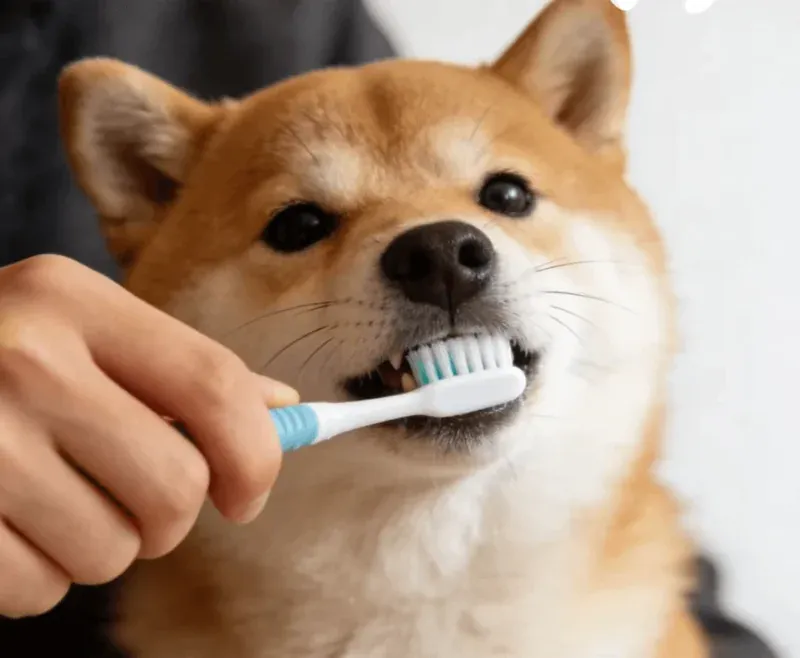
- Tool Introduction: Use a soft-bristled pet toothbrush or finger brush, which are less invasive than human brushes and better suited for delicate canine gums.
Brushing Tip: Position the bristles at a 45-degree angle toward the gumline. Concentrate on the outer surfaces of the teeth where tartar tends to accumulate most. If your dog resists brushing the inner surfaces, don’t worry excessively—plaque buildup is usually minimal there.
Selecting the Proper Toothpaste
Avoid human toothpaste. Ingredients like xylitol and fluoride can be harmful or cause stomach upset in dogs. Opt for canine-specific pastes flavored with poultry or seafood, or consider a simple baking soda and water mixture.
Decoding Dog Breath
While “puppy breath” might not be the most fragrant, it shouldn’t be unpleasant. Persistent bad breath, known as halitosis, often signals a bacterial infection or trapped food particles.
When to seek Veterinary Help: If your dog’s bad breath is accompanied by a sudden drop in appetite, increased thirst, or vomiting, it may point to more severe gastrointestinal or kidney concerns.
Weekly Dental Inspections: Key Indicators
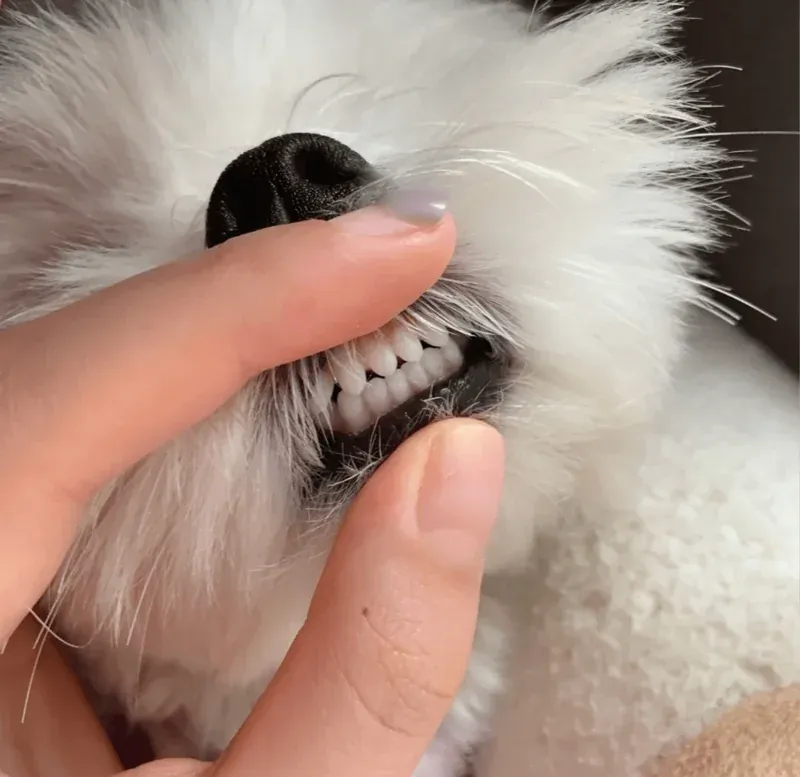
Conduct a simple visual check once a week by lifting your dog’s lips:
- Healthy Gums: Should be a lively pink, not pale, bright red, or bleeding.
- Clean Teeth: Should appear white without brown or gray crusty deposits.
- Warning Signs: Look for excessive drooling, loose teeth, lumps on the gums, or any fluid-filled blisters under the tongue.
Snapshot of Common Dental Issues
| Condition | Appearance | Susceptibility |
| Gingivitis | Inflamed, swollen, or bleeding gums. | Any dog; reversible with proper cleaning. |
| Periodontal Disease | Loose teeth, nasal discharge, discomfort. | Severe cases; may affect other organs. |
| Proliferating Gums | Gum tissue growing over teeth. | Common in breeds like Boxers and Bull Terriers. |
| Mouth Tumors | Hard lumps or growths in the gums. | Requires prompt veterinary biopsy. |
| Distemper Teeth | Decayed or eroded enamel. | Dogs who had distemper as puppies. |
Alternative Prevention: Toys and Chews
For dogs resistant to brushing, maintaining oral health can also be achieved through play:
- Dental Chews: Choose treats designed to help remove plaque as they are chewed.
- Appropriate Toys: Opt for safe, non-toxic rubber or nylon chew toys to naturally clean teeth, massage gums, and alleviate boredom.