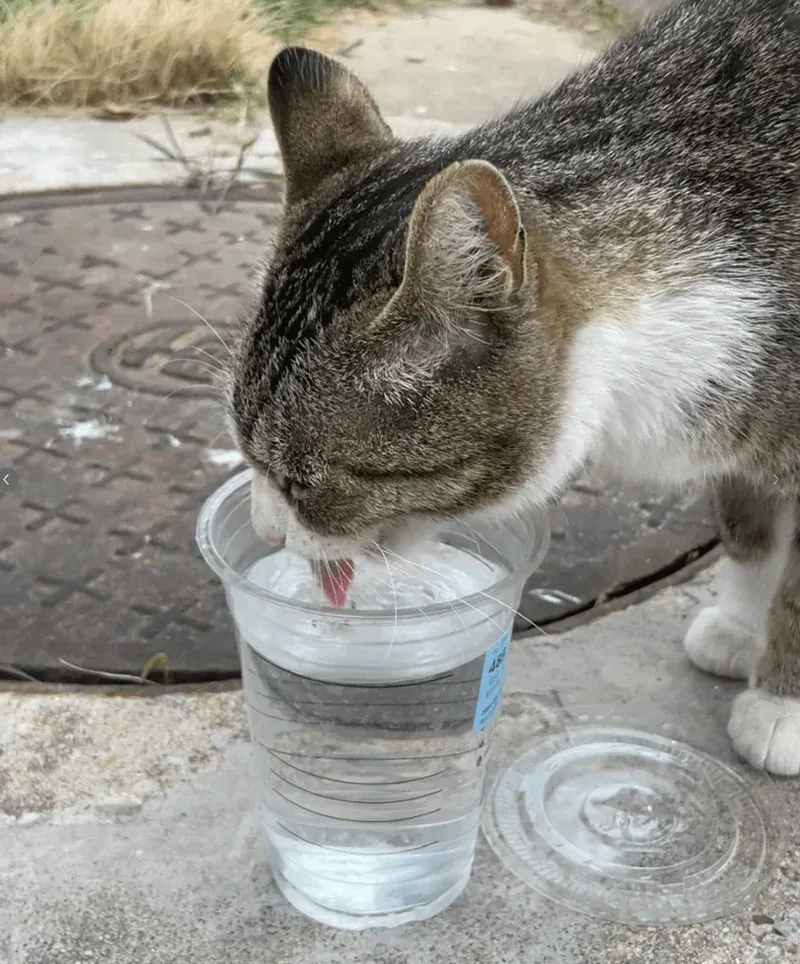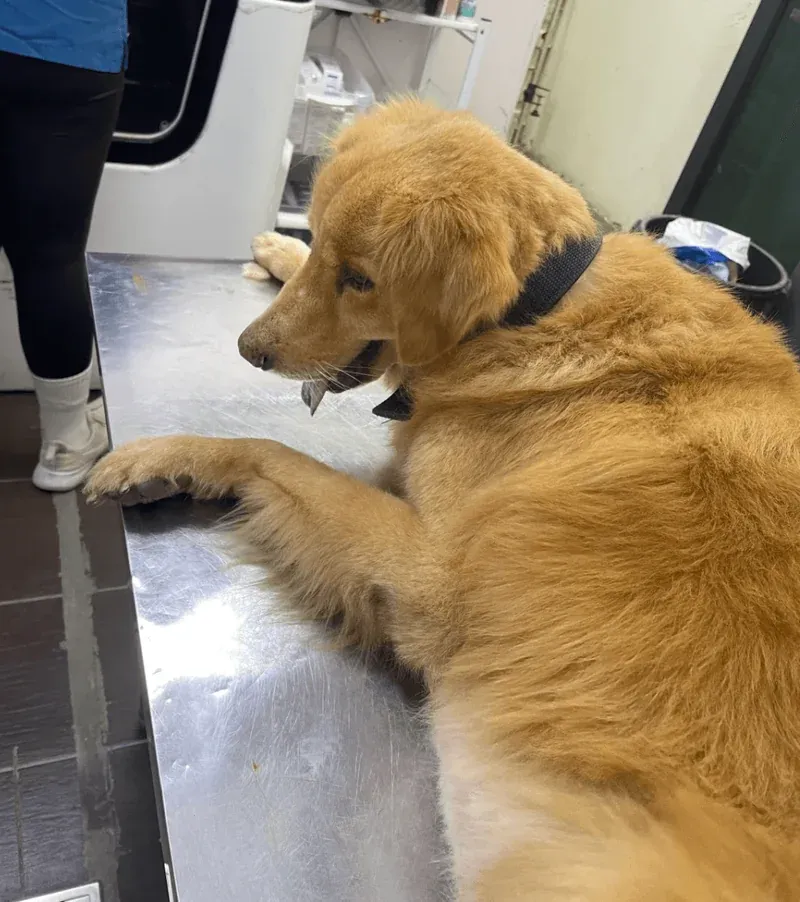
A thriving pet is the result of attentive care and deliberate choices made consistently. Creating a “health roadmap” will aid in averting common health issues and secure a lively, fulfilling life for your beloved animal.

1. Yearly Wellness Check: Beyond the Routine
Regular preventive care is the cornerstone of health. Annual veterinary appointments are crucial and go well beyond a simple examination; they are your pet’s first line of defense against hidden health risks.
- Keep Up with Essentials: Utilize these appointments to renew annual vaccinations and carry out vital screenings for diseases like heartworm and tick-borne illnesses.
- Routine Diagnostics: Regular fecal exams and physical assessments can uncover internal problems before they manifest visibly. Consider these visits as establishing a “health baseline” for your pet.
2. Balancing the Diet: Managing Weight Effectively
Obesity is a growing concern with over half of pets falling into this category. This condition can lead to arthritis, diabetes, and cardiovascular stress.
- The 10% Rule: Treats and human food should not surpass 10% of your pet’s daily calorie intake.
- Visual Check: You should notice your pet’s ribs beneath a thin layer of muscle, and their waistline should be discernible when viewed from above.
- Customized Diets: If weight management is a challenge, consult your veterinarian about diets that support metabolism or supplements to ease joint movement.
3. Oral Care: More Than a Clean Mouth
Dental issues are prevalent yet preventable in veterinary medicine today. Poor dental health can lead to systemic infections affecting vital organs.
- Regular Brushing: Aim for daily brushing and supplement with quality dental chews.
- Warning Signs: Be alert for swollen gums, changes in eating habits, or bad breath. These signals mean it’s time for a professional dental check.
4. Exercise as Therapy: Keeping Active
Exercise is critical for joint health and weight management. It also strengthens the bond between you and your pet.
- Variety is Key: Avoid the same routine; explore new walking routes, play indoor games, or fetch.
- Professional Advice: Your vet can advise on suitable activity levels tailored to your pet’s breed, age, and condition.
5. Year-round Parasite Protection
Pests like fleas and ticks are active all year and can transmit diseases that cause severe health issues.
- Consistent Prevention: Make monthly parasite prevention a regular practice. Use reminders or subscriptions to ensure doses aren’t missed, as adherence guarantees protection.

6. Mental Stimulation: Keeping the Mind Engaged
Mental exercise is as important as physical activity. It reduces anxiety and curtails destructive behaviors caused by boredom.
- Interactive Play: Use puzzle feeders, scent games, and brief training sessions to challenge your pet’s mind.
- Toy Rotation: Keep toys engaging by rotating them weekly to maintain interest.
7. Safety Assurance: IDs and Microchips
In the unfortunate event of your pet going missing, updated identification is crucial.
- Keep Information Current: Ensure your contact details in the microchip registry are up-to-date.
- Check Physical Tags: Verify that collar tags are readable and current. Keeping these updated can avert a potential crisis.
Consistent, small health practices accumulate to yield significant long-term benefits. Begin your pet’s wellness journey by scheduling their annual health check and vaccinations today.