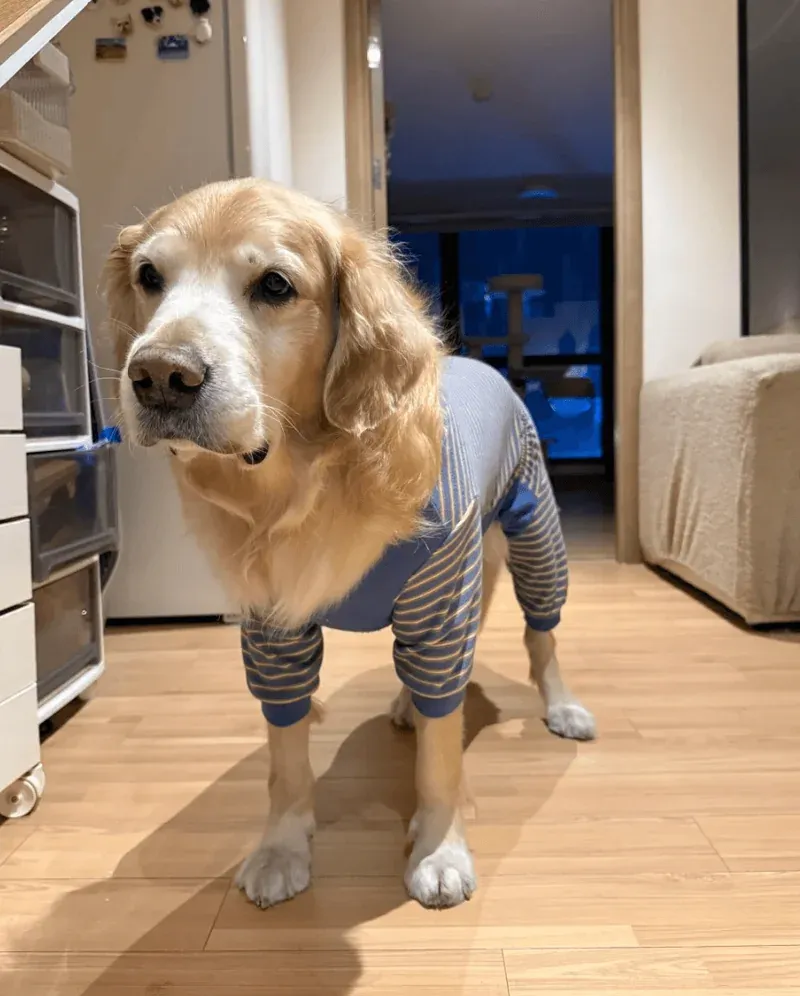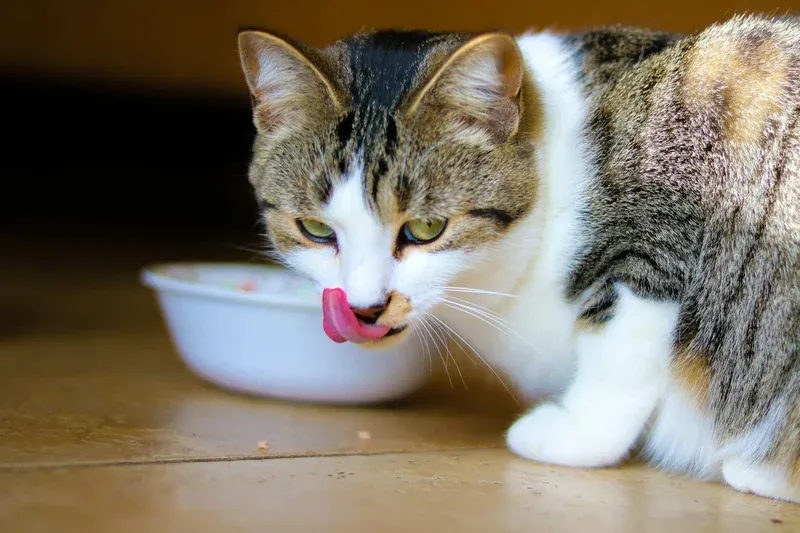
Sharing your meals with your beloved pet might seem like a loving gesture, but it can sometimes pose serious health risks. Many everyday foods contain elements that pets cannot digest safely, leading to potentially severe health consequences. Be cautious before offering your furry friend a treat from your plate.
1. Sweet Yet Deadly: The Perils of Xylitol
Xylitol, commonly found in products like sugar-free gum and low-calorie sweets, is extremely toxic to pets.
- Risks: This sugar substitute can cause a rapid insulin release, leading to dangerously low blood sugar levels within minutes.
- Symptoms: Look out for signs such as sudden lethargy, vomiting, and an alarming drop in activity, which can escalate to liver failure or even a coma.
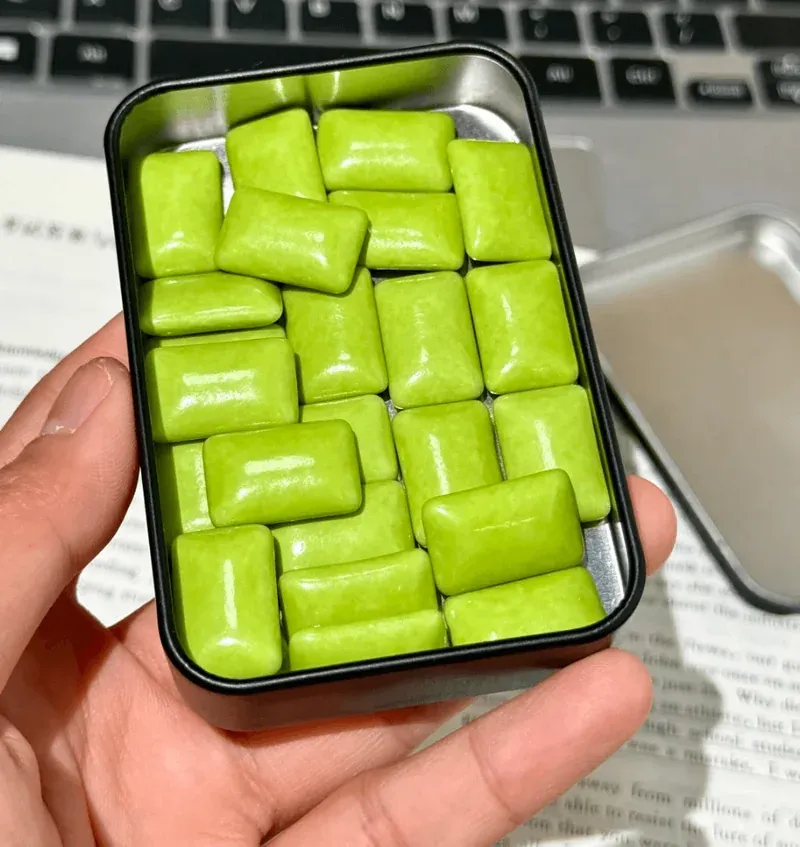
2. Chocolate: A Dangerous Delight
Most pet owners are aware that chocolate isn’t safe, but the extent of its danger is often underestimated. The darker the chocolate, the higher the risk due to a substance called theobromine.
- Symptoms: Consuming chocolate can lead to hyperactivity, muscle tremors, an increased heart rate, and in extreme cases, heart failure.
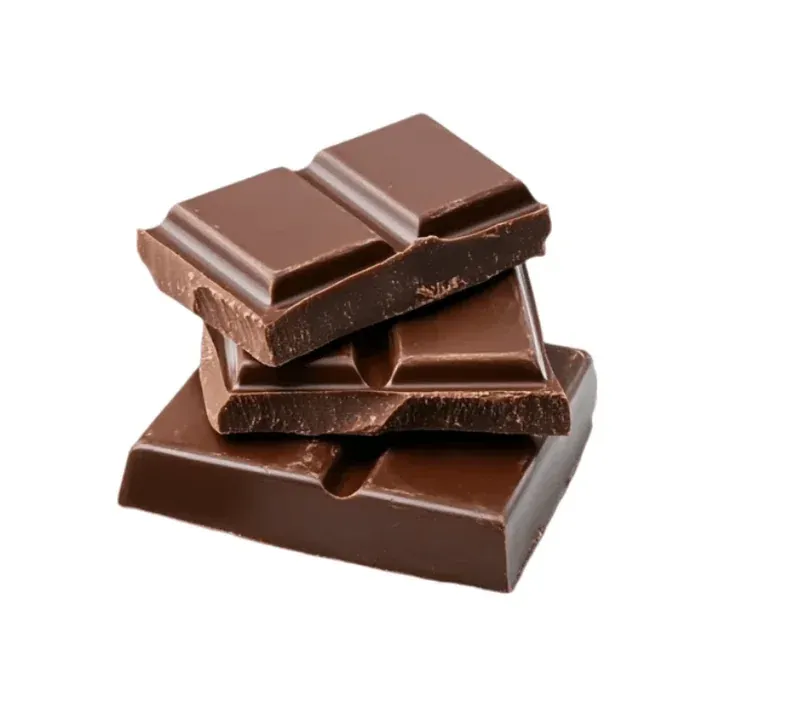
3. Hidden Dangers in Fruits and Vegetables
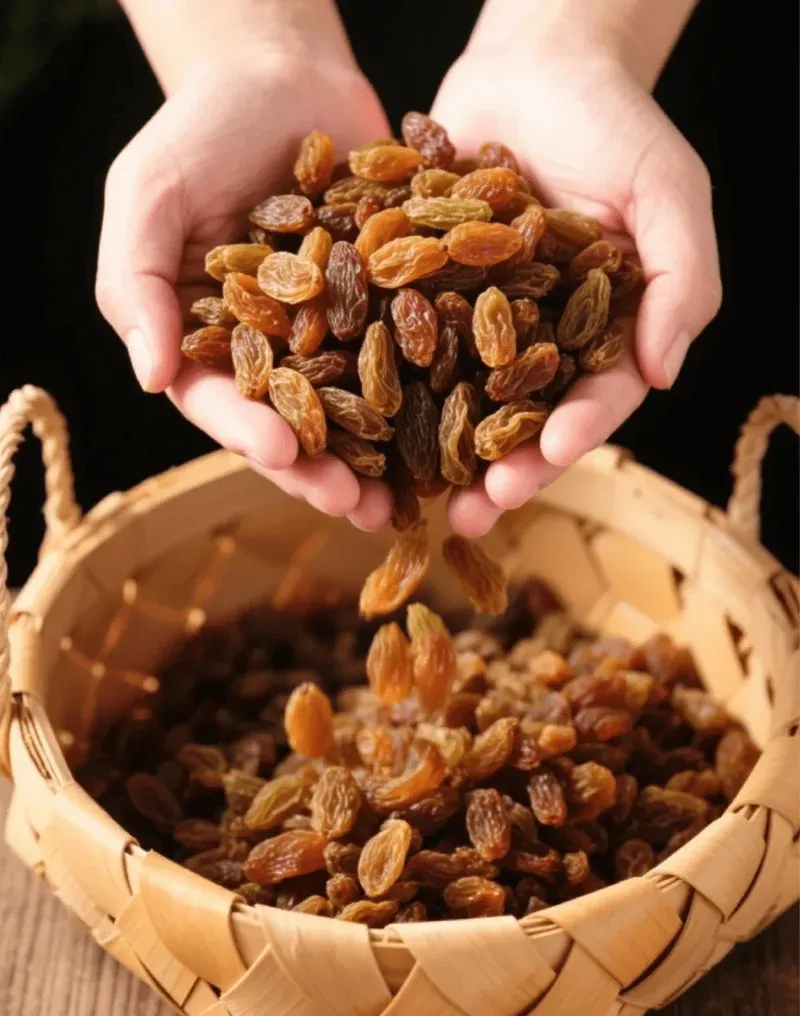
- Grapes and Raisins: These seemingly harmless snacks can cause acute kidney failure, even in small quantities.
- Onions and Garlic: Whether fresh or powdered, these can lead to a breakdown of red blood cells, resulting in severe anemia.
- Fruit Pits: The seeds of fruits like peaches and plums contain cyanide, posing a choking hazard and a lethal threat.
4. Unseen Kitchen Hazards: Mold and Dough
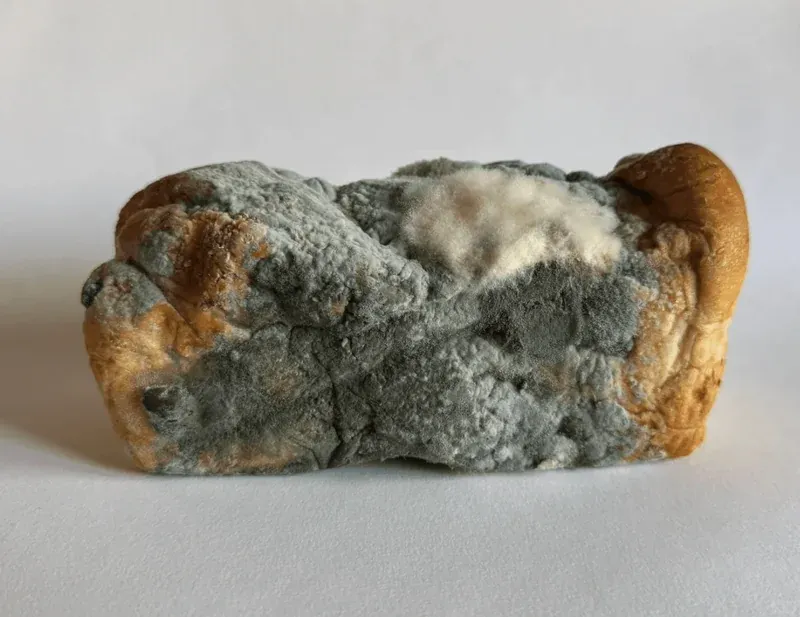
- Mold: Stale or moldy food can contain toxins that cause severe neurological symptoms.
- Raw Dough: When consumed, raw dough can expand in a pet’s stomach, causing discomfort, and the yeast can produce alcohol, leading to intoxication.
5. Macadamia Nuts: A Crunchy Catastrophe
Within hours of eating macadamia nuts, pets may show severe reactions.
- Symptoms: Watch for signs such as weakness in the hind legs, vomiting, fever, and general lethargy.
6. The Dairy Dilemma
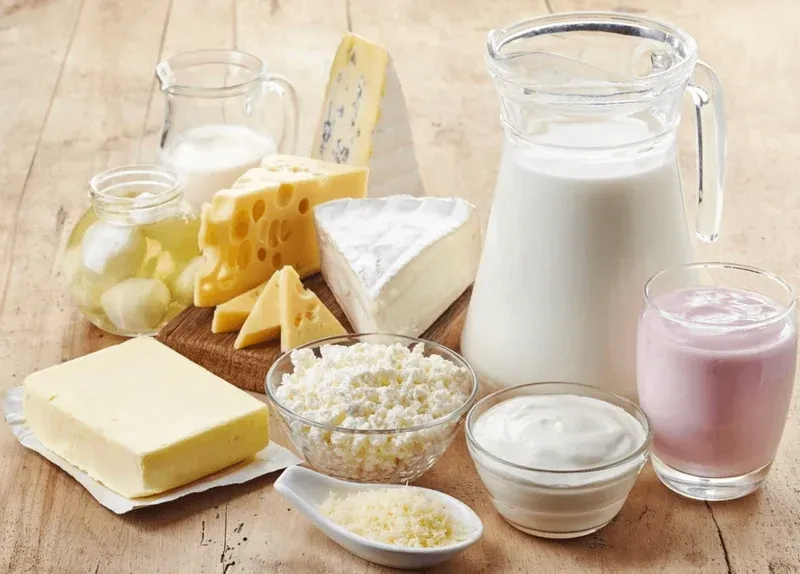
The popular image of cats drinking milk is misleading since many adult cats and some dogs are lactose intolerant.
- Consequences: Offering dairy products can lead to digestive distress, including bloating and diarrhea.
7. Raw Foods: Risks of Uncooked Diets
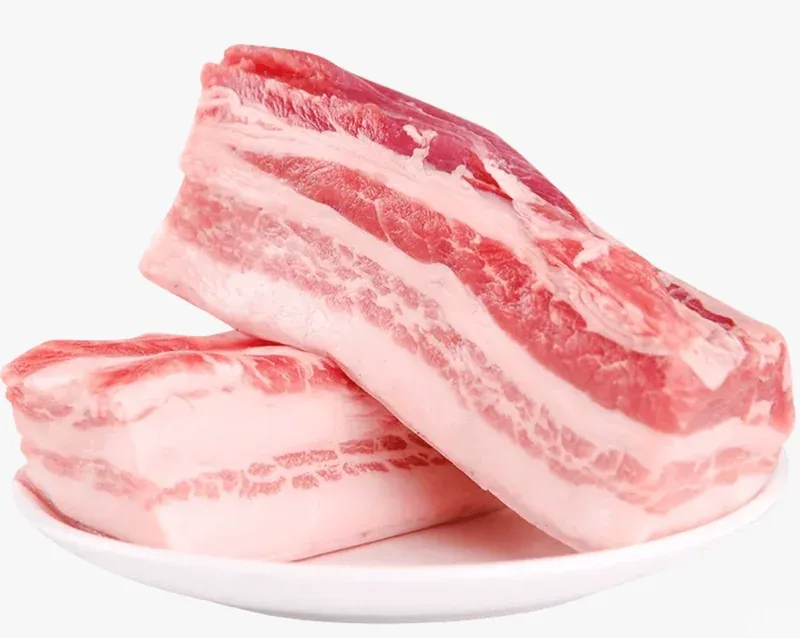
Feeding pets raw meat and eggs carries the danger of bacterial infections such as Salmonella and E. coli, which can affect both pets and humans.
Immediate Actions if a Pet Consumes Harmful Foods
Quick action is crucial if you suspect your pet has ingested any dangerous food.
- Identify the Food: Retain the packaging for veterinary assessment.
- Seek Help Promptly: Contact your vet or a poison control service without delay.
- Pet-Proof Your Space: Ensure kitchen safety by making food storage secure.
By being aware and cautious, you can help ensure your pet remains healthy and happy, avoiding the common pitfalls of sharing human food.