
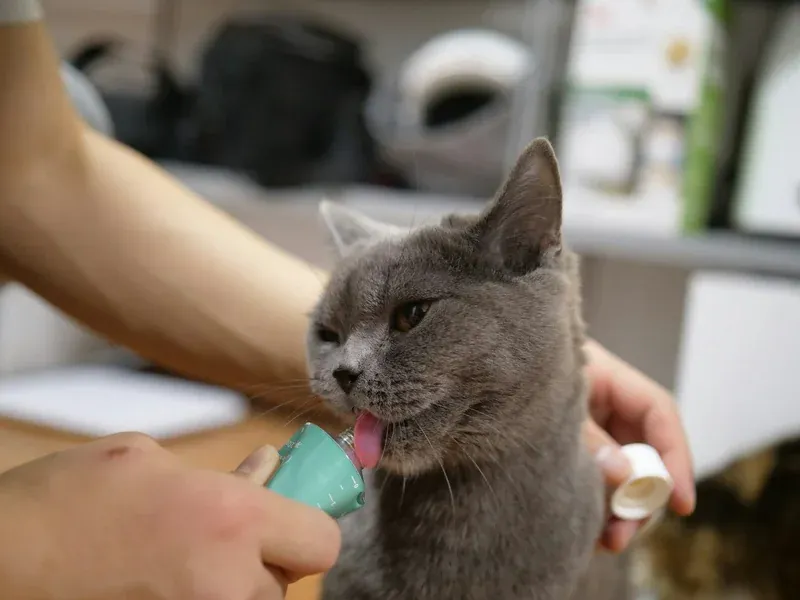
Reaching the age of eight marks a significant milestone for our feline friends. At this stage, you might notice your once lively cat becoming more subdued, with diminishing senses of smell and taste, and a more selective appetite. As their immune system naturally weakens, your role evolves from being a play companion to a dedicated caregiver.
How do you adapt their diet? What vital nutrients should they receive? How can you modify your living space to better accommodate their aging needs? Here’s an exhaustive guide to ensuring your senior cat enjoys quality care in their later years.
⚡ Quick Guide:
Caring for Cats Aged 8 and Above: Pay attention to four essential areas: 1. Diet: Opt for low-calorie, soft-textured meals served in smaller, frequent portions. 2. Mobility: Introduce steps or ramps to access elevated spots. 3. Environment: Maintain warmth and offer orthopedic bedding. 4. Supplements: Include probiotics, taurine, and omega-3 for heart, brain, and digestive health. Schedule veterinary check-ups every six months.
🍽️ Part 1: Feeding Your Mature Cat
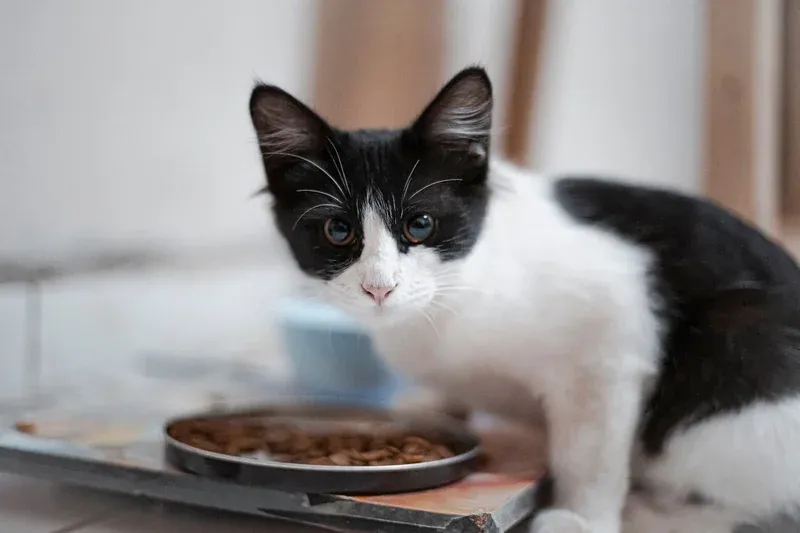
As your cat’s metabolism decelerates, a tailored diet becomes crucial.
1. Quality Over Quantity
With decreased activity, older cats require fewer calories to avoid weight gain. However, maintaining high-quality protein and fat is vital to prevent muscle loss. Choose proteins that are easy to digest.
2. Gentle on the Teeth
Aging cats often suffer from dental issues like gingivitis. Switching to moist, soft-textured foods can make eating easier and more comfortable.
- Pro Tip: Regularly brushing your cat’s teeth from a young age can reduce the risk of dental problems later.
3. Nutrient-Rich Meals
Simply cutting back on food can lead to nutrient deficiencies. Opt for nutrient-rich ‘Senior Formula’ foods that meet daily nutritional needs in smaller servings.
4. Multiple Small Meals
Break their daily food intake into four to five smaller meals to ease digestion and prevent vomiting, a common issue among senior cats. This also helps maintain consistent energy levels.
🏡 Part 2: Home Adjustments for Aging Cats
Your home environment should cater to the needs of an aging cat.
- Step Assistance: With arthritis being common, use boxes, stools, or dedicated ramps to help them reach their favorite spots without straining their joints.
- Warm Comfort: Older cats tend to lose body heat quickly. Provide a self-heating bed or place their resting spot in a sunny area.
- Easy Access: Ensure litter boxes are easily accessible with low entry points and available on each floor to minimize stair climbing.
💊 Part 3: Vital Supplements for Senior Cats
Supplements can play a significant role in easing the aging process.
| Supplement | Benefits for Older Cats |
| Probiotics | Supports digestive health and helps manage chronic diarrhea or constipation. |
| Catnip | Encourages appetite and provides mental stimulation for less active cats. |
| Taurine | Essential for maintaining heart and eye health. |
| Fish Oil (Omega-3) & Vitamin E | Helps reduce inflammation, supports cardiovascular health, and enhances coat condition. |
🩺 Part 4: Ongoing Health Monitoring
Preventive care can save costs and improve your cat’s quality of life.
- Regular Vet Visits: Schedule biannual check-ups for cats over eight. Ensure blood tests include kidney and thyroid markers.
- Home Medical Supplies: Keep items like pee pads handy for accidents, and learn basic first-aid skills or how to administer fluids if advised by your vet.
- Weight Monitoring: A sudden weight drop can indicate conditions like hyperthyroidism, diabetes, or kidney issues. Weigh your cat weekly using a digital scale.
❓ Frequently Asked Questions
Q: Is increased water consumption a concern for my senior cat? A: While staying hydrated is beneficial, a sudden increase in thirst might suggest kidney problems or diabetes. Consult your veterinarian promptly.
Q: Why does my elderly cat cry at night? A: This could be due to cognitive decline, akin to dementia, or high blood pressure. Calming supplements and night lights may help alleviate this behavior.