Do you feel like your living room is turning into a dog park? Are mysterious “yellow patches” appearing on your beautiful carpets or behind your favorite chair?
Potty mishaps can be a real headache for pet owners, especially when dealing with older dogs who might be slipping back into old habits or rescue dogs who never learned the ropes. But don’t lose hope! Successful house training is about clear communication and steady routines. Here’s your ultimate guide to conquering indoor potty challenges.
🔍 Key Insights:
How can I prevent my dog from urinating indoors?
- Notice the signs: Look for behaviors like sniffing and circling and swiftly guide them to their “potty zone.”
- Opt for Enzymatic Cleaners: Regular detergents leave traces that lure dogs back to the same spots.
- Stick to a Routine: Take them out after waking, eating, and before bedtime.
- Reward, Avoid Punishment: Scolding breeds fear, not understanding.
- Limit Their Space: Use a crate or playpen until they’re fully trained.
Step 1: Understand the “Pre-Potty Ritual”
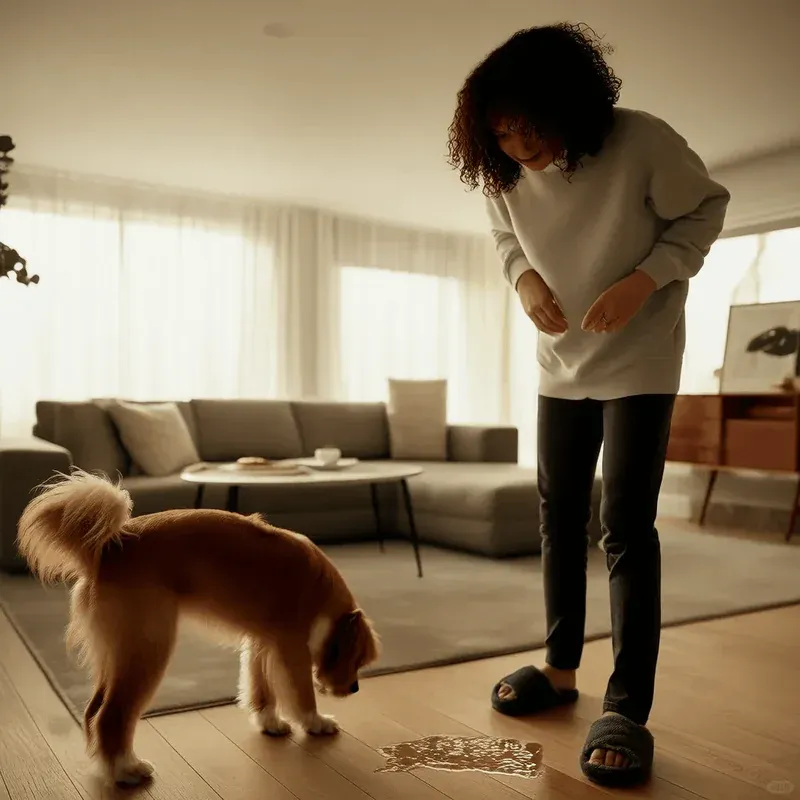
Dogs rarely “go” without warning. They exhibit subtle signs that indicate they need to relieve themselves.
- Typical Signs: Intense floor sniffing, pacing in circles, whining at the door, or suddenly raising their tail.
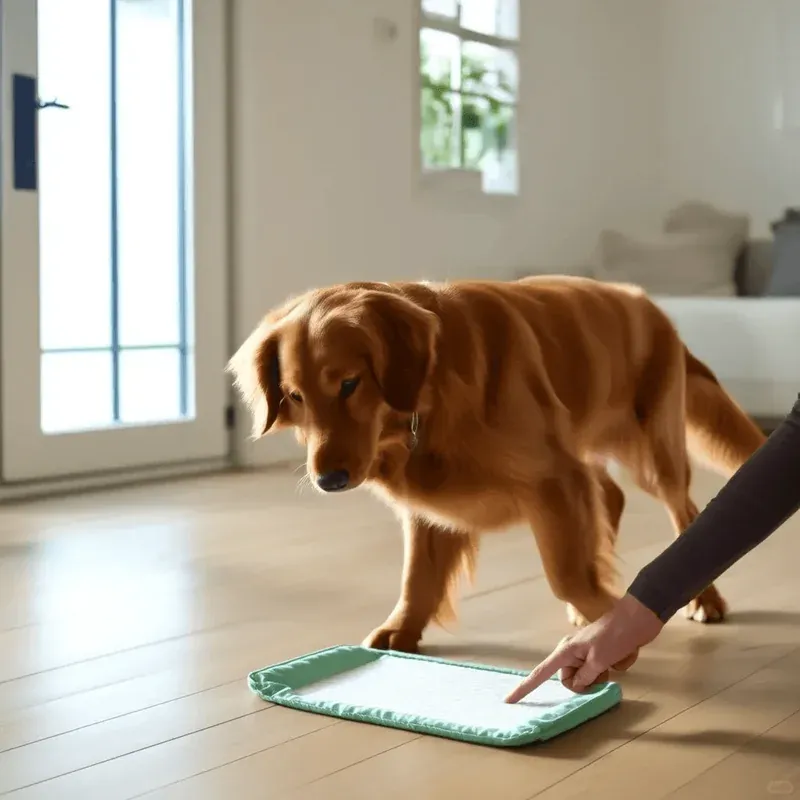
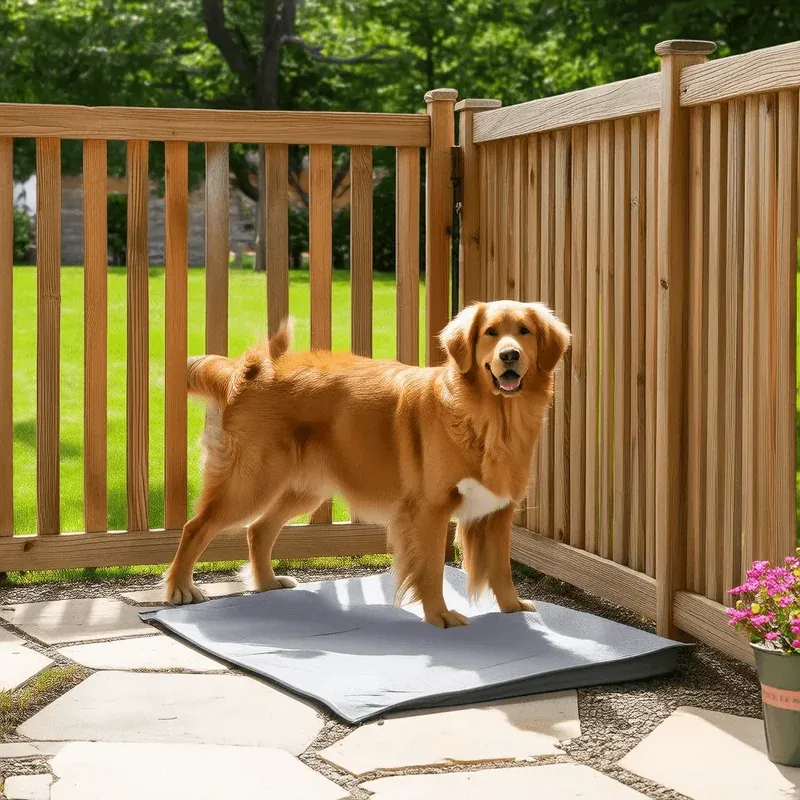
- Quick Action: As soon as you notice these behaviors, gently but promptly lead them to their designated potty area, whether it’s outside or an indoor pad.
- Positive Association: Use a verbal cue like “Potty time!” while they relieve themselves and immediately reward them with a treat. This helps them connect the place with the reward.
Step 2: Eliminate the “Marked Zones”
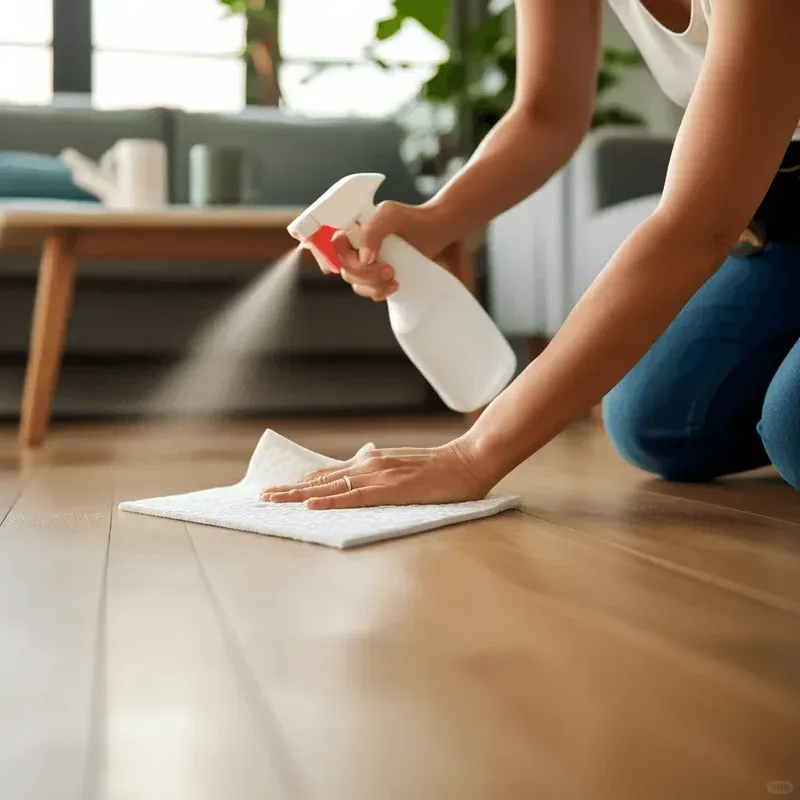
A dog’s sense of smell is astoundingly more acute than ours. Regular cleaners won’t cut it; they leave pheromones that shout “Toilet here!”
- The Solution: Utilize an Enzymatic Cleaner. These cleaners break down the uric acid crystals that are responsible for the smell.
- Expert Tip: Steer clear of ammonia-based products. Since ammonia is a urine component, it can make the cleaned area smell more like a bathroom to your dog!
Step 3: Create a “Routine Regiment”
Dogs flourish with predictability. Knowing when their next “bathroom break” is due helps them hold it longer.
- Key Times:
- Right after waking up.
- 10–15 minutes following meals.
- Just before bedtime.
- For Older Dogs: Senior dogs often have weaker bladders. Consider increasing breaks to every 3-4 hours to minimize accidents.
Step 4: Replace Scolding with Patience
Finding a wet spot and yelling at your dog is a common misstep.
- Why It Fails: Dogs don’t understand “past guilt.” If you reprimand them for a puddle you found later, they won’t get it; they’ll just find you unpredictable and frightening.
- Better Approach: If you catch them in the middle of the act, a firm “No!” can interrupt them, allowing you to lead them outside. If you discover it later, just clean it quietly. Punishing dogs can lead to them hiding their accidents, complicating the issue.
Step 5: Implement “The Reset Technique”
If your dog believes your entire home is their bathroom, they might have too much freedom. Dogs typically avoid soiling where they eat or sleep.
- The Plan: Use a crate, playpen, or small room to confine their movement.
- Gradual Freedom: Only when they remain accident-free in a confined space for a week should you allow access to another room. It’s akin to a toddler learning to walk—start small, then expand.
📈 When It’s More Than Just a Training Issue
If a previously trained dog, especially a senior, suddenly starts having accidents, it might not be a behavioral issue.
- Urinary Tract Infections: Often seen in older female dogs.
- Diabetes or Kidney Issues: These can cause excessive drinking and urination.
- Cognitive Decline (Dog Dementia): Dogs may forget where their “bathroom” is.
- Incontinence: Weakening bladder sphincter muscles, common in older spayed females.
❓ Common Questions
Q: Why does my dog pee when I come home or get excited? A: This is likely due to “Submissive or Excitement Urination.” It’s a physical response, not a training lapse. Keep greetings calm and avoid direct eye contact until they’ve settled.
Q: How long does house-training an adult dog take? A: It generally requires 2 to 4 weeks of consistent effort. Dogs with more ingrained habits might need up to 2 months.
Note: Changes in behavior in older pets should always be checked by a vet to dismiss any underlying health issues like CKD or Cushing’s Disease.