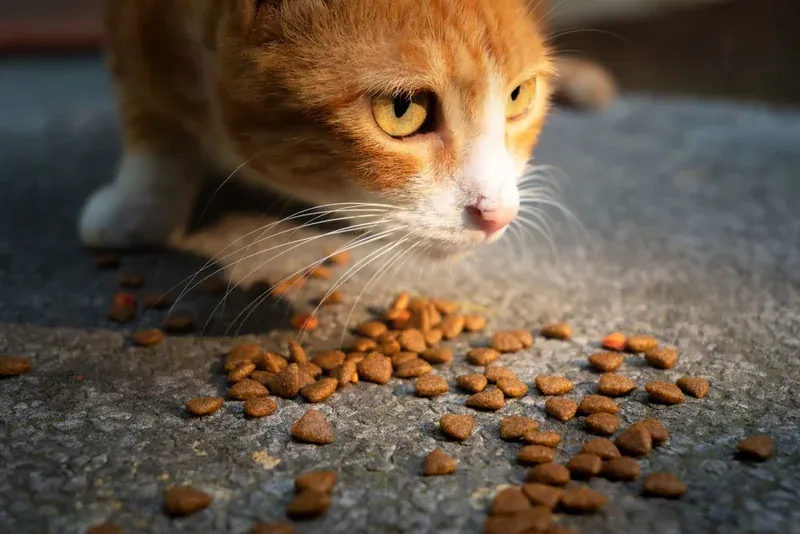
For older pets, nutrition isn’t just about feeding; it’s like medicine. As their bodies age, they struggle to handle the artificial additives and fillers found in low-cost pet foods. Choosing unsuitable kibble can contribute to ongoing inflammation, kidney issues, and digestive problems.
The packaging might look appealing, but the real story lies in the Ingredient List. Here’s a quick guide on identifying nutritious options and avoiding harmful ingredients.
⚡ Key Takeaways:
How can I spot high-quality pet food? Focus on the first five ingredients; these should be clearly labeled meats like “Fresh Chicken” rather than generic terms like “Meat Meal.” Steer clear of grains such as corn and wheat, and be cautious of ambiguous terms like “animal fat.” Crucially, avoid chemical preservatives like BHA and BHT, which pose health risks to aging pets.
🥩 Step 1: Prioritize the “First Five” — Meat Matters Most
The first five ingredients make up the bulk of the food. For senior dogs or cats, high-quality, easy-to-digest protein is crucial to stave off muscle deterioration.
- The Gold Standard: The foremost ingredient should be a specifically named meat (e.g., “Fresh Beef,” “Deboned Turkey”).
- The Red Flag: If ingredients like “Corn,” “Wheat,” or “Soy” are listed early, it’s a warning sign. These are inexpensive fillers that can spike blood sugar without offering much nutritional benefit to carnivorous animals.
- Transparency is Key: Look for specific percentages (e.g., “Fresh Chicken 45%”). Brands that don’t reveal the exact meat content might be using a low-meat formula.
- Avoid the Unknown: Terms such as “Meat Meal,” “Poultry By-products,” or “Animal Derivatives” indicate low-quality, potentially untraceable scraps.
🏃♀️ Step 2: Detect “Protein Cheating” and Fillers
Some manufacturers use deceptive practices to make their food seem more nutritious than it is.
- Plant Protein Inflation: Ingredients like “Corn Gluten Meal” or “Soy Protein Isolate” can falsely boost protein levels on labels. However, senior pets don’t digest plant proteins as efficiently as animal proteins, placing stress on kidneys.
- Dubious Fats: Healthy fats are essential for cognitive health in older pets. Seek out specific mentions like “Salmon Oil” or “Chicken Fat.” “Animal Fat” or “Vegetable Oil” signals a lower quality, possibly rancid source.
- Flavor Enhancers: Presence of “Digest” or “Natural Flavors” high on the list may suggest the use of additives to disguise poor-quality ingredients that pets might otherwise reject.
☠️ Step 3: The “Avoid” List of Harmful Additives
Older pets have diminished ability to process chemicals, and certain additives in pet food are associated with long-term health issues.
- Artificial Preservatives (BHA & BHT): Used to prolong shelf life, these preservatives are potential carcinogens. Opt for brands that use natural alternatives like “Mixed Tocopherols” (Vitamin E).
- Artificial Colors: Pets are indifferent to food color, which is added for the owner’s benefit and can cause allergic reactions.
- Carrageenan: Often found in canned food as a thickener, this additive is linked to intestinal inflammation and ulcers, posing risks to a senior cat’s sensitive stomach.
📝 Shopping Guide for Pet Nutrition
| Select These (Green Light) ✅ | Avoid These (Red Light) ❌ |
| Specifically named meats (Chicken, Beef, Lamb) | Ambiguous terms (Meat meal, Poultry meal) |
| Grain-free or ancient grains (Oats, Quinoa) | Corn, Wheat, Soy fillers |
| Specific oils (Salmon oil, Flaxseed oil) | "Animal fat" or "Vegetable oil" |
| Natural preservatives (Vitamin E/Tocopherols) | BHA, BHT, Ethoxyquin |
| Specific ingredient percentages | "Secret" or proprietary blends |
❓ FAQ
Q: Is “Grain-Free” always the best choice for older dogs? A: Not always. While steering clear of corn and wheat is beneficial, some grain-free foods heavily rely on peas or lentils, which might be linked to heart concerns. Prioritize the meat content above all.
Q: Why does my senior pet suddenly refuse their usual food? A: They might be experiencing a decline in their sense of smell or have dental discomfort. Alternatively, the food might have gone stale. Ensure kibble is stored in a cool, airtight container.