Caring for a cat diagnosed with Chronic Kidney Disease (CKD) requires meticulous attention to their dietary intake. The critical elements in their food can either aid in maintaining kidney function or hasten its deterioration.
The key components to monitor in a renal cat’s diet include phosphorus, sodium, and potassium. Successfully managing these elements can contribute significantly to extending your cat’s life.
⚡ Key Insights
What should be included in a CKD cat’s diet? Focus on proteins that are both high in quality and low in phosphorus, such as chicken and duck breast. Essential nutrients like Vitamin B complex, iron, and Omega-3 fatty acids are also beneficial. What should be avoided? Exclude organ meats like liver, dairy products, nuts, and high-sodium foods including ham. Protein intake must be adjusted according to the IRIS stage: cats in early stages require moderate protein to avoid muscle loss, while those in later stages need stringent protein limitations.
A prevalent misunderstanding is that all renal cats should immediately switch to a low-protein diet.
- IRIS Stages 1-2 (Initial): Severe protein limitation is often unnecessary and may lead to muscle loss. Emphasize highly digestible, quality proteins.
- IRIS Stages 3-4 (Advanced): Protein should be restricted to minimize nitrogenous waste buildup in the bloodstream.
❤️ Nutritious Choices for Renal Health
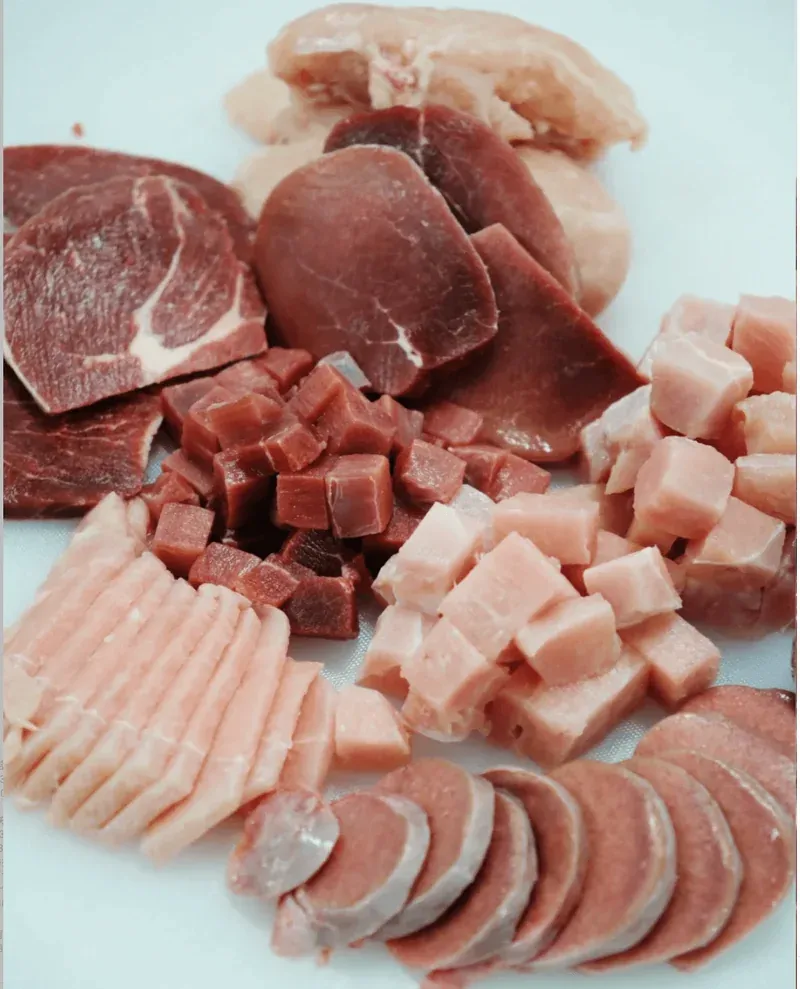
1. Select Low-Phosphorus, High-Quality Proteins
- Chicken Breast: This protein source is low in fat and phosphorus, making it easy for cats to digest. Pair it with pumpkin for a fiber boost.
- Duck Breast: Cats find this protein palatable, and it’s naturally low in phosphorus.
- Rabbit or Lean Beef: Offers pure animal protein with acceptable phosphorus levels.
2. Choose Low-Phosphorus Vegetables & Low-Sugar Fruits
- Pumpkin: With its high fiber content, it helps manage constipation, a common issue in CKD cats.
- Steamed Carrots: Provides Beta-carotene for eye health without stressing the kidneys.
- Broccoli: This vegetable is rich in Vitamin C and antioxidants, supporting a weakened immune system.
- Apples (Seedless): Contains pectin that aids in gut cleansing.
- Blueberries/Strawberries: These fruits are rich in antioxidants, helping combat inflammation associated with CKD.
🚫 Foods to Avoid for Kidney Health
1. High-Phosphorus Foods (The “Kidney Haters”)
- Organ Meats (Liver/Heart): These are extremely high in phosphorus and can lead to a “uremic crisis” in advanced-stage cats.
- Dairy Products (Cheese/Goat Milk): These are high in phosphorus and may cause digestive disturbances.
- Nuts & Beans: Not only high in phosphorus but also difficult for carnivorous cats to digest.
2. Absolutely Prohibited Foods
- Grapes & Raisins: These can cause severe kidney failure and are potentially lethal.
- Onions, Leeks, & Garlic: These can damage red blood cells, causing anemia—a risk for CKD cats.
- Chocolate & Coffee: Contain theobromine and caffeine, which can result in fatal heart issues.
3. Foods that Need Careful Moderation
- High-Sodium Foods: Including ham, bacon, and processed meats. Excessive sodium increases blood pressure, harming kidney function.
- High-Sugar Fruits: Such as mangoes and peaches, which can contribute to obesity and metabolic strain.
- Raw Meat/Eggs: With compromised immunity, CKD cats are at risk of infections from bacteria like Salmonella or E. coli.
💊 Vital Supplements for Kidney Health
As kidney function declines, water-soluble vitamins may be lost, necessitating supplementation:
- Vitamin B Complex (B1, B12): Replenishes vitamins lost due to frequent urination.
- Iron: Essential for addressing anemia from reduced Erythropoietin (EPO) production by the kidneys.
- Omega-3 Fatty Acids: Helps reduce kidney inflammation and slows disease progression.
❓ Common Questions Answered
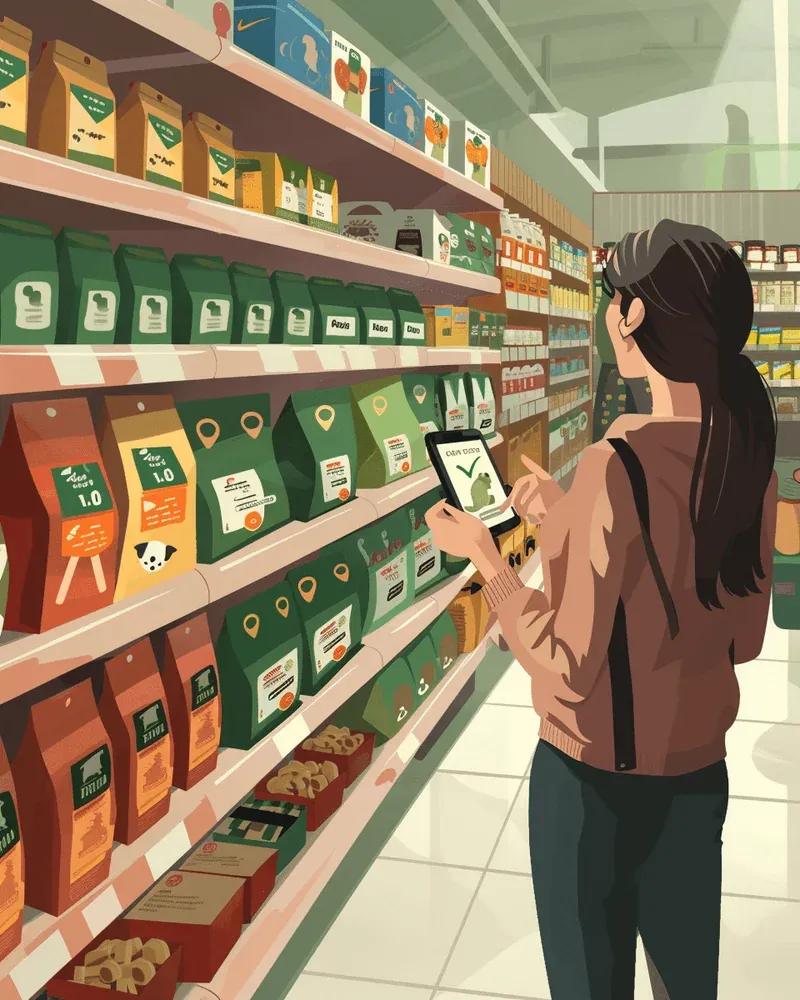
Q: Can I substitute “Senior” cat food for “Renal” food? A: Not always. “Senior” cat food can still contain higher phosphorus levels than suitable for a cat with Stage 3 or 4 CKD. Always check for phosphorus content on a “dry matter basis”—it should be below 0.6% for renal cats.
Q: Why is my CKD cat rejecting their favorite meals? A: CKD can cause nausea due to toxin buildup (uremia). Consult your vet about anti-nausea treatments or phosphorus binders to improve their appetite.
Medical Notice: Each cat with CKD is unique. Always seek veterinary advice before altering pet diets or incorporating supplements, particularly if they have additional health issues.