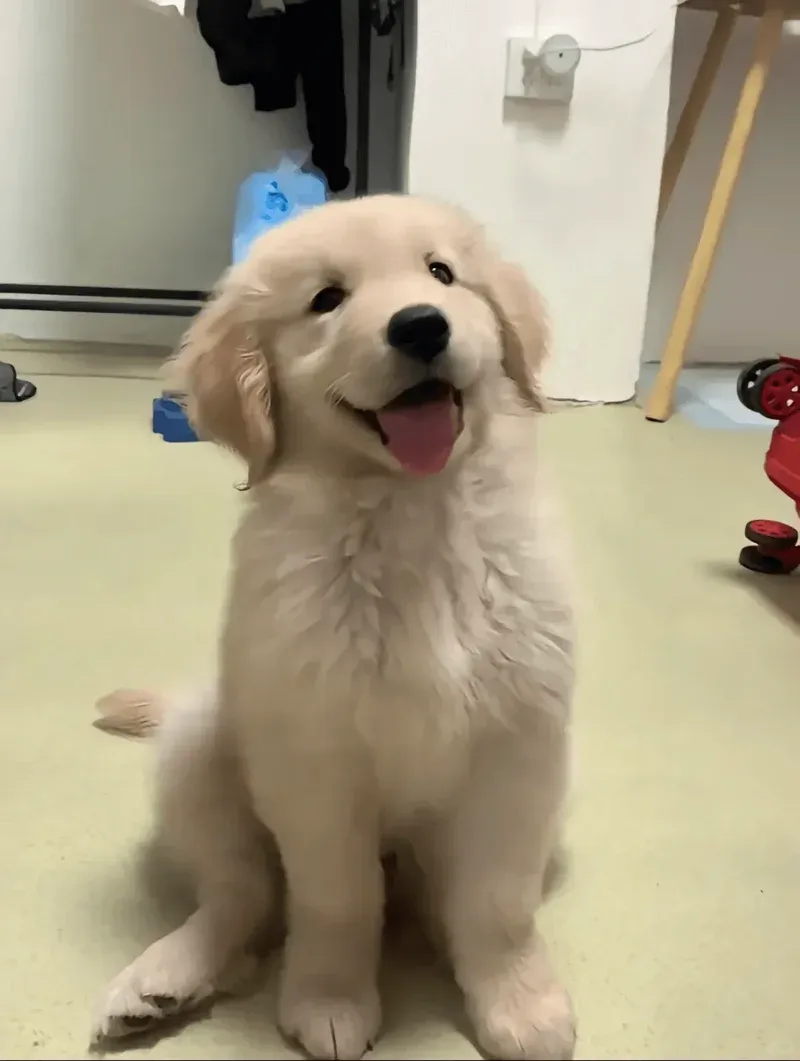
Golden Retrievers are celebrated for their intelligence and affectionate nature, but their puppyhood can transform your home into an obstacle course of unexpected messes. Since Golden Retriever puppies grow quickly and have larger bladders compared to smaller breeds, cleaning up after an accident can be quite the task.
If you are weary of constant carpet scrubbing or waking up to unpleasant odors, this comprehensive guide offers a structured three-day plan to help you maintain a clean environment.
🚀 Quick Overview: The Three-Day Strategy
How can I successfully toilet train a Golden Retriever puppy in just three days?
- Preparation: Restrict your puppy’s space using a playpen, covering 60% of it with pee pads that have been lightly scented with their own urine.
- Timing: Guide them to the pad during five key moments: right after waking, eating, drinking, playing, or leaving their crate.
- The Key: Offer high-value treats within three seconds of them finishing. Avoid scolding for accidents; instead, clean them up with an enzymatic spray and resume training.
🛠️ Day 0: Strategic Area Setup
Golden Retrievers are social animals, and giving them free rein of the house can lead to marking behaviors.
- Scent Guidance: Opt for quality pee pads. A useful technique is to use a paper towel to absorb some of their previous accident and place it under the new pad. This scent acts like a GPS, guiding them to the right spot.
- Creating the Space: Use a playpen or baby gates to establish a ‘Bathroom Suite.’ Cover at least 60% of this area with pads at first. Goldens prefer not to soil their sleeping area, so they will be drawn to the pads.
- Essential Cleaning: Regular household cleaners won’t do the job. Use an enzymatic cleaner to break down urine proteins, preventing your puppy from returning to the same spot by scent.
⏱️ Day 1-2: Mastering Timing
Timing is crucial in potty training. Anticipate your puppy’s needs before they arise.
- Waking Moments: Immediately upon waking from a nap, carry them to the pad. Allowing them to walk might result in accidents along the way.
- Post-Meal Routine: Puppies digest quickly. Expect bowel movements 15-30 minutes after meals.
- Hydration Timing: Water moves through a Golden puppy’s system in about 20 minutes.
- After Play: Excitement can lead to sudden bladder loss. Take them to the pad right after playtime.
- Exiting the Crate: Upon leaving a crate, the first place they should go is the pee pad.
💡 Day 3: Reward and Reinforcement
Golden Retrievers have a strong drive for food, which can be leveraged to streamline training.
- Immediate Gratification: Their learning window is brief. Offer praise and treats right after they finish peeing. Delayed rewards won’t be associated with the act.
- High-Value Treats: For the first three days, use special treats like small pieces of boiled chicken exclusively for successful potty trips. This will make peeing on the pad the most rewarding action they can take.
❌ Avoid Negative Reinforcement
Golden Retrievers are sensitive and yelling or punishing them can have adverse effects.
- Fear Response: Scolding can lead to behaviors like “stealth peeing” in hidden areas or even eating their own waste to hide accidents.
- Proper Handling: If an accident occurs, remain calm. Clean it with enzymatic spray and ignore the puppy. Lack of attention and treats will provide natural feedback.
📝 Ongoing Training and Tips
- Understanding Limits: A puppy’s bladder holds for about an hour per month of age. A two-month-old needs a break every two hours.
- Maintain Locations: Keep the pad in the same spot. Moving it can confuse your puppy and disrupt training progress.
- Gradual Reduction: As training improves, reduce the number of pads until only one remains in a designated corner.
❓ Common Questions
Q: My Golden Retriever puppy is still having accidents after a week. Why? A: Check the size of their enclosure. If it’s too large, they might pee in one area and sleep in another. Reduce the space to tap into their natural instincts.
Q: Are potty training sprays useful? A: They can be, but using the “Scent Transfer” method with a bit of their own urine is more effective.
Note: If an older Golden Retriever suddenly loses control, it might indicate health issues like a UTI or kidney disease. A veterinary consultation is recommended.