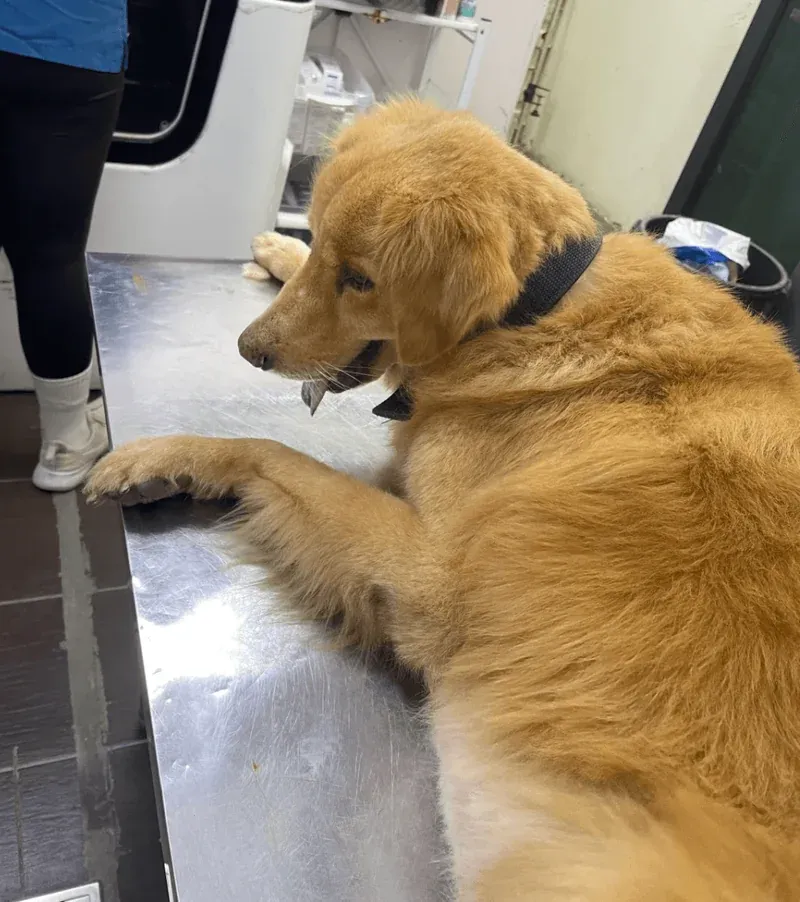
1. Dietary Transformations: Nurturing Your Dog’s Nutrition
As your dog matures, their nutritional demands evolve. To maintain optimal health and prevent digestive issues, adhere to these feeding schedules based on their life stage:
- Puppyhood (8–12 weeks): Offer 4 small meals daily.
- Growing Phase (3–6 months): Transition to 3 meals every day.
- Teen Years (6–12 months): Reduce to 2 meals each day.
- Mature Age (1 year and beyond): Typically, one meal suffices. For larger breeds or those at risk of bloating, splitting their food into two portions is advisable.
Expert Advice: Prioritize high-quality dry food. While nutritious add-ons like cottage cheese, cooked eggs, or fresh vegetables are beneficial, ensure these extras don’t surpass approximately 9% of their daily caloric intake. Always maintain a supply of fresh water in a clean dish.
2. Activity and Engagement: Exercise’s Dual Benefits
Exercise goes beyond burning calories; it stimulates the mind. A mentally engaged dog is less likely to become destructive. Depending on breed, age, and health, your dog requires daily active play to fulfill instincts to chase, chew, and fetch.

3. Grooming Habits: Essentials for a Shiny Coat
Regular brushing is key to controlling shedding and maintaining a healthy coat. Surprisingly, most dogs only need a full bath a handful of times annually.
- Rinse Thoroughly: When bathing, ensure all soap is rinsed out to prevent residue that attracts dirt.
- Tangle Management: Always detangle knots before wetting the fur, as water can make them harder to eliminate.
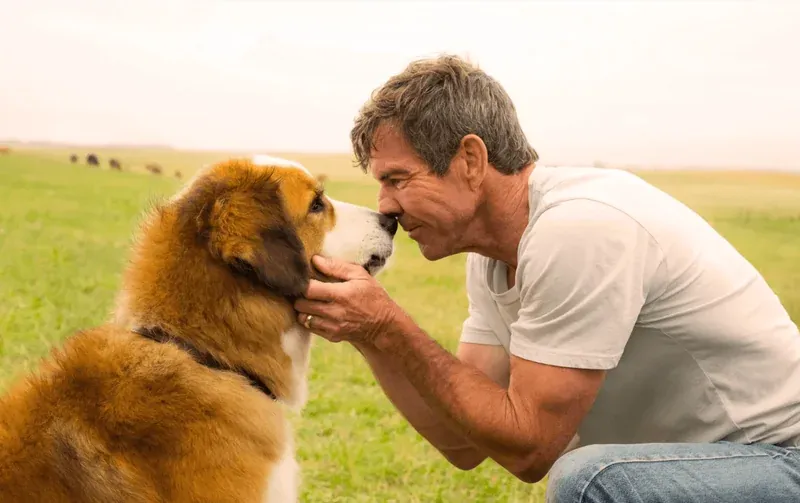
4. Proper Handling: Safe Lifting Techniques
Avoid lifting your dog by their front legs, tail, or neck scruff.
- Small Breeds: Support the chest with one hand and cradle the rear with the other.
- Large Breeds: Lift from underneath, supporting both the chest and hindquarters to ensure balanced weight distribution.
5. Cozy Retreat: Creating the Perfect Sleeping Spot
Your dog deserves a tranquil, elevated resting area away from drafts. A clean bed or a crate with a fresh blanket works well. For outdoor time, ensure they have a covered, dry shelter for cold weather and ample shade and water during heat.
6. Identification and Safety: Keeping Your Dog Secure
Ensure your dog wears a collar with current identification and a license tag. For added security, consider microchipping, a dependable method to recover your pet if they get lost.
7. Pest Defense: Guarding Against Fleas and Ticks
During warmer months, routinely inspect your dog’s skin for pests using a fine-toothed comb. Consult your vet to determine the most effective preventative treatments suited to your dog’s lifestyle.
By adhering to these foundational aspects of care, you’re paving the path for a robust and lively life for your beloved furry friend.