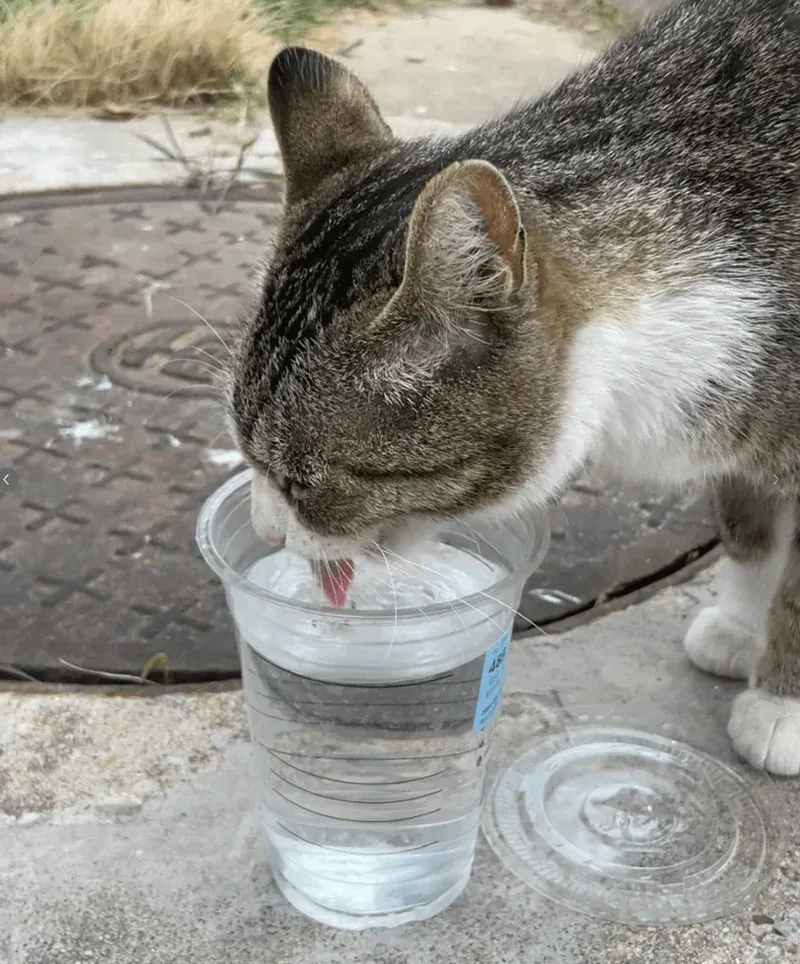
When your dog starts vomiting or losing weight unexpectedly, it can be distressing. One possible cause could be an infection by Toxocara canis, a parasite commonly found in dogs. Let’s explore what this parasite is, how it affects your furry friend, and what steps you can take to prevent it.
Unpacking Toxocara canis
Toxocara canis is an intestinal parasite belonging to the roundworm family. It primarily resides in the small intestines of dogs and is known for its complex lifecycle, requiring dogs as its definitive hosts.
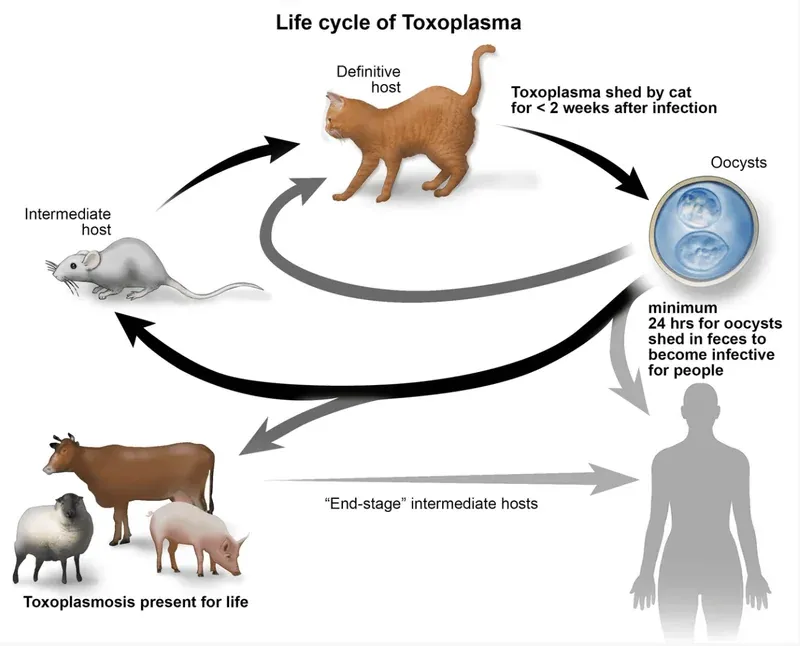
Lifecycle and Transmission
The lifecycle of Toxocara canis is intricate. Dogs act as the definitive hosts, while other animals such as rabbits can serve as intermediate hosts. In these hosts, the parasite forms cysts, awaiting consumption by a dog to complete its lifecycle.
Infection Process:
- Immature eggs are released in the host’s feces.
- These eggs mature in the environment over several weeks, becoming infectious.
- Dogs ingest these eggs directly or through an intermediate host, continuing the cycle.
Morphology and Structure
Toxocara canis exhibits distinct sexual dimorphism.
- Males: Typically 4 to 6 cm long, with a curved tail used for reproduction.
- Females: Ranging from 6.5 to 15 cm, featuring a straight, short tail.
- The larvae progress through four developmental stages, transitioning from within the egg to an adult worm.
Effects of Toxocara canis on Dogs
The harm caused by Toxocara canis generally falls into two categories: Larval Migration and Intestinal Parasitism.
1. Larval Migration
Larvae hatch in the intestines but can migrate to other organs, causing internal damage. When adult worms migrate, they can inflict significant harm, sometimes leading to nausea and vomiting. Owners might observe worms in their dog’s vomit, making it crucial to prevent other pets from exposure.
2. Intestinal Parasitism
As these parasites reside in the intestines, they absorb nutrients meant for the host, leading to malnutrition and weight loss.
- Physical Signs: A substantial number of parasites can cause a pot-bellied appearance.
- Gastrointestinal Issues: Diarrhea or abdominal pain might occur, with worms visible in the stool.
- Toxic and Allergic Reactions: Secretions from the worms can trigger allergic responses and toxicity.
Important: If your pet exhibits these symptoms, consult a veterinarian promptly.

Detecting Toxocara canis
Several methods are employed to detect this parasite:
- Microscopic Examination: Fecal samples are checked for eggs.
- Advanced DNA Testing: Provides precise identification.
Owners can also visually inspect vomit or feces:
- Worm Appearance: Adults measure between 4–15 cm, with distinct features visible under a microscope.
- Egg Structure: Toxocara canis eggs have a unique pitted surface, aiding in identification.

Preventing Toxocara canis
Preventing Toxocara canis involves medical intervention and maintaining a clean environment. Dr. Chou Chun-hung recommends focusing on these four areas:
1. Regular Deworming
Periodic deworming is crucial to mitigate the impact of parasites.
2. Clean Living Spaces
Infected eggs can linger in the environment. Consistently clean your pet’s area to prevent reinfection.
3. Safe Feeding Practices
Avoid feeding raw food, as it may harbor parasite eggs. Opt for cooked or commercially prepared pet food.
4. Safe Drinking Water
Ensure your pet’s water is sourced from treated or filtered supplies to prevent infection.
Disclaimer: This article offers general advice. Always consult a qualified veterinarian for your pet’s health concerns.