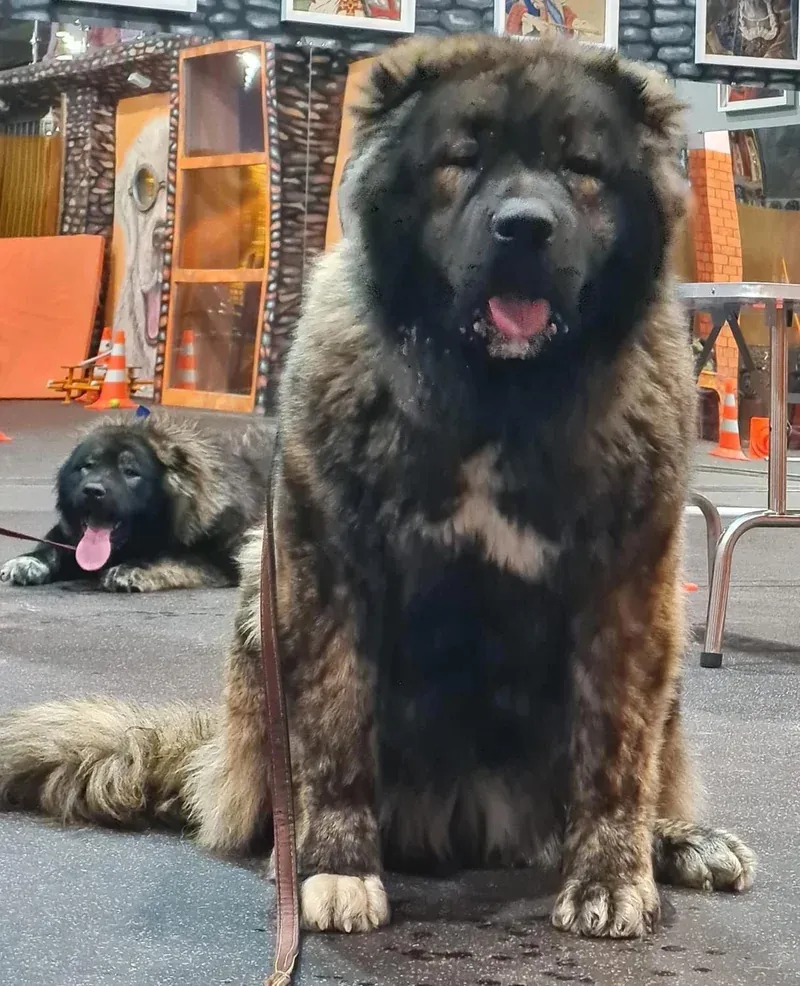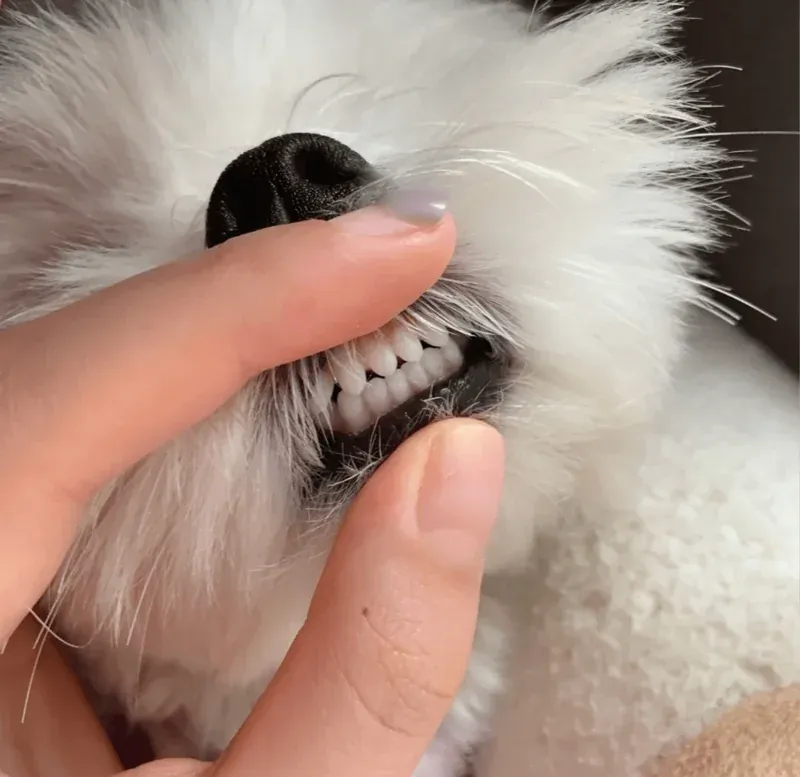
As dogs age, especially those over the age of 8, their eyes can often reflect changes in their overall health. Research indicates that nearly 78% of older dogs may experience some form of eye alteration. Recognizing what constitutes normal aging versus disease is vital in ensuring their well-being.
⚡ Overview:
What eye issues are common in older dogs? The primary concerns include Cataracts, which lead to significant vision impairment, and Nuclear Sclerosis, a typical age-related change that generally doesn’t hinder vision. Preventive measures involve a diet rich in antioxidants, such as Lutein and Blueberries, protection from UV rays, and regular eye exams with a veterinarian.
🛑 Frequent Eye Conditions in Senior Dogs
1. Cataracts: A Major Cause of Vision Loss
Cataracts are the leading eye condition in aging dogs, impacting approximately 82% of those over 8 years old.
- The Science: The lens becomes clouded, obstructing light from reaching the retina.
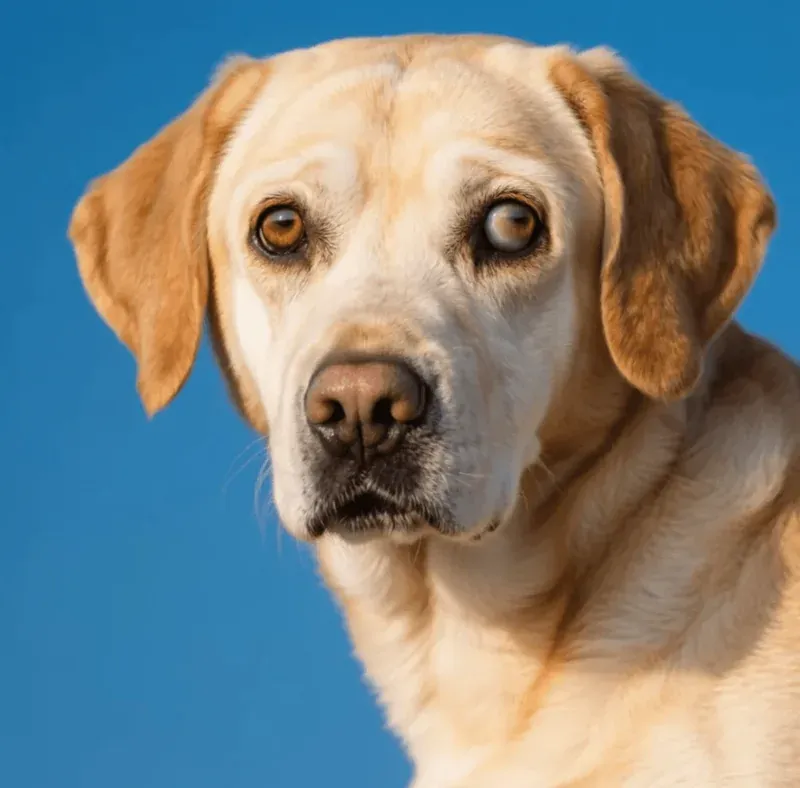
- Symptoms: A milky or “cracked ice” look in the eye, unsteady movements, and eventually a distinct white spot in the pupil’s center.
2. Nuclear Sclerosis: Often Confused with Cataracts
This condition, frequently mistaken for cataracts, involves the natural hardening of lens fibers due to aging.
- The Flashlight Test: Shine a light into the eye; in Nuclear Sclerosis, the light passes through the lens and reflects off the back of the eye (tapetum). With Cataracts, the light is obstructed.
- Effect: Unlike cataracts, this doesn’t cause blindness and typically requires no intervention.
3. Diabetic Retinopathy and Related Cataracts
Irregular blood sugar levels can hasten lens damage. Dogs with diabetes are particularly prone to fast-developing cataracts, necessitating regular eye check-ups.
🚩 High-Risk Breeds and Early Symptoms
Genetic Risk: Breeds like Poodles, Golden Retrievers, Cocker Spaniels, and Schnauzers have a hereditary inclination towards developing cataracts.
Early Warning Signs:
- Colliding with furniture or hesitating in dimly lit areas.
- Increased sensitivity to bright environments.
- Dull or cloudy eyes with “milky” pupils.
- Lack of eye contact or diminished “sparkle” in the eyes.
💡 Five Preventative Actions
1. Diet Full of Antioxidant “Superfoods”
Oxidative stress is a major factor in lens deterioration. Enhance your dog’s nutrition with:
- Lutein & Zeaxanthin: Present in corn and carrots.
- Anthocyanins: Found in blueberries, aiding retina protection.
- Vitamins C & E: Available in broccoli and Sea Buckthorn.
- Expert Tip: Incorporate a supplement like Sea Buckthorn Freeze-Dried Powder, which boasts over 400 synergistic nutrients to slow lens oxidation.
2. Protection from UV and Physical Damage
- Sun Exposure: Avoid outdoor activities during peak UV hours (10 AM - 4 PM) or equip your dog with protective eyewear (Doggles).
- Grooming: Trim hair around the eyes to prevent irritation, and use pet-safe wipes to clean any discharge daily.
3. Routine Veterinary Screenings
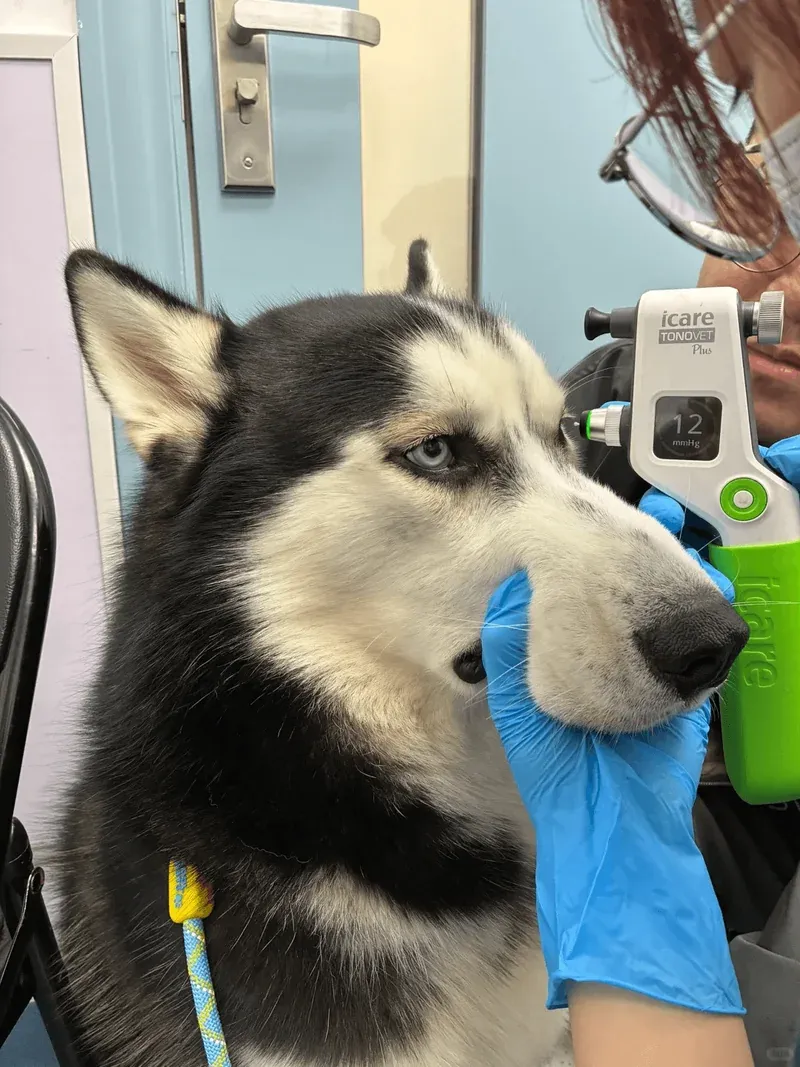
Dogs older than 7 should have a slit-lamp examination biannually. For diabetic dogs, regular retina screenings are crucial to prevent sudden eyesight loss.
4. Managing Metabolic Health
Carefully regulate blood sugar in diabetic dogs and promptly address uveitis (eye inflammation) to avert secondary lens issues.
5. Ensuring a Safe Environment
Reduce risks of eye injuries by removing sharp furniture and supervising multi-pet households, as cat scratches are a common cause of traumatic cataracts.
⚠️ Important Medical Note: Treatment Options
It’s a common misconception that cataracts can be dissolved with eye drops. Cataracts are irreversible with medication.
- The Treatment: Surgery (Phacoemulsification) is the sole effective remedy.
- Success Rate: When done before cataracts become too advanced, the success rate surpasses 92%.
If your dog’s pupils appear white or they exhibit signs of vision loss, seek advice from a veterinary ophthalmologist to discuss surgical possibilities.
Disclaimer: This article is for informational purposes only and does not substitute professional veterinary consultation. Always seek expert guidance for eye-related health issues.