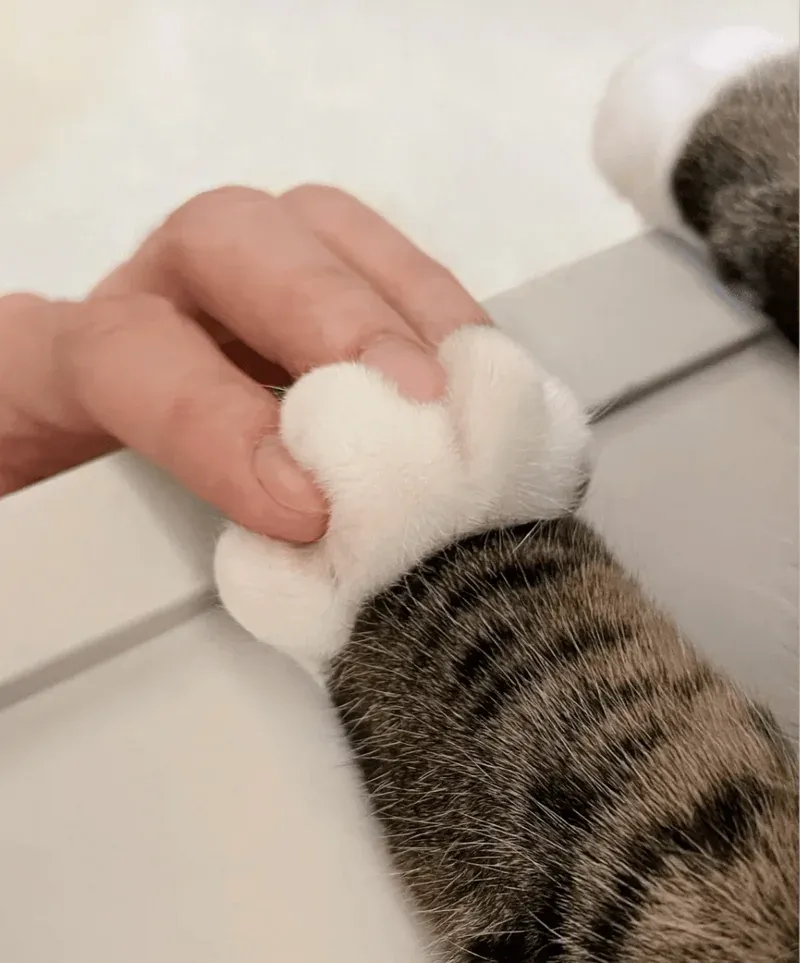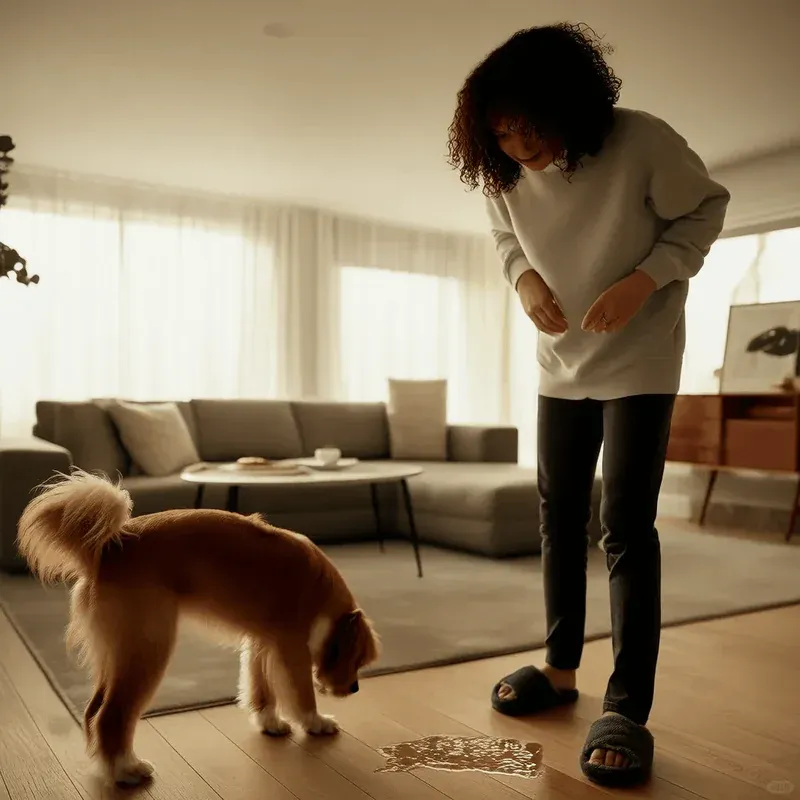
If you’ve ever noticed tendencies in yourself that lean towards anxiety or avoidance, have you considered that your pet might share similar emotional patterns?
In the past, I would often joke about pets being either too standoffish or excessively clingy without any scientific basis. Animals, unlike humans, can’t fill out surveys or articulate their emotions. However, I discovered that through systematic observation, we can uncover these hidden emotional dynamics.
Decades ago, Mary Ainsworth, a developmental psychologist, developed the ‘Strange Situation’ method to study attachment in infants. Recent research has adapted similar methodologies to better understand how our pets connect with us.
Create a Simple Emotional Assessment for Your Pet
Before delving into research, you can conduct a small experiment at home to observe your pet’s attachment style:
Find a space that is unfamiliar to your pet, like a friend’s home or an unused room. Use masking tape to create a circle on the floor and sit within it.
Remain in the circle for about two minutes. Engage with your pet if they approach you. Then, leave the room for two minutes.
Upon returning, observe your pet’s reaction closely. Does it fit any of the following descriptions?
A. They greet you with ease and comfort, as if there was no separation. B. They appear hesitant, approaching but then pulling away. C. They cannot leave your side, clinging to you, fearful of another separation.
Which does your pet resemble? Observers who categorize animal behavior suggest that Type A is indicative of a “Secure Attachment.” Types B and C suggest “Insecure Attachment” forms. Keep in mind, just as in human studies, these observations aren’t definitive; around 11% of kittens don’t fit neatly into any category.
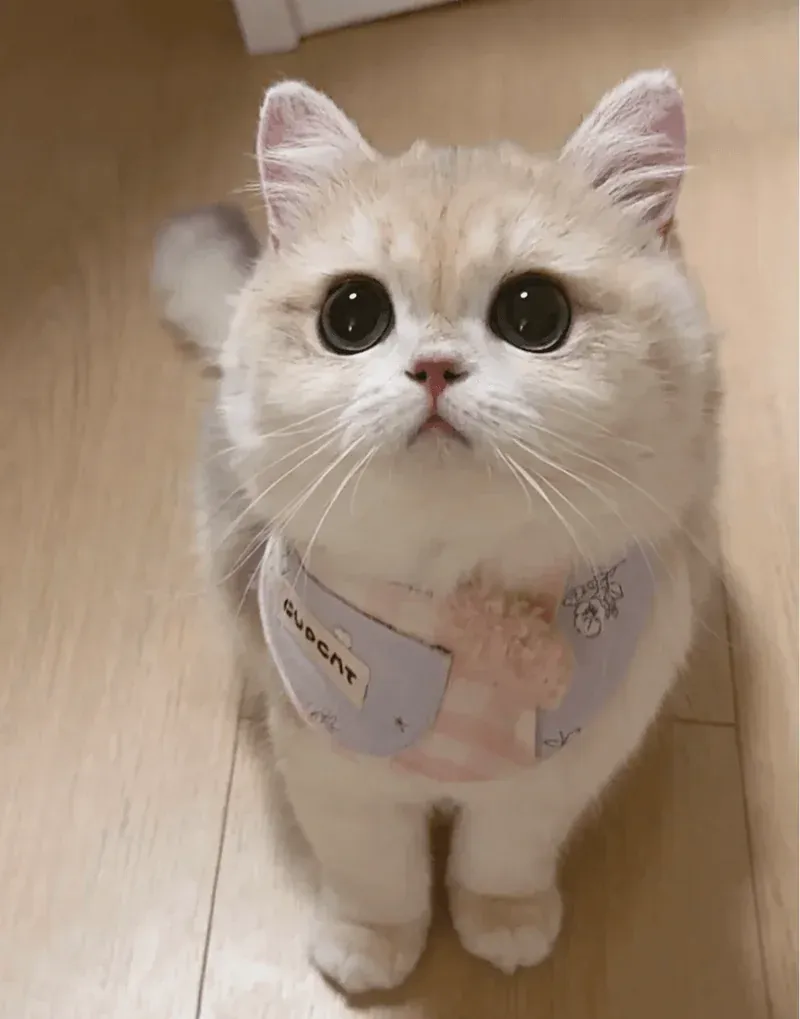
Decoding Feline Emotional Bonds
Research led by Kristyn Vitale explored this framework with 38 adult cats. The findings were revealing: approximately 66% showed secure attachment, whereas about 34% had insecure attachment styles.
These figures closely match human data, where around 65% of infants exhibit secure attachments to their caregivers.
In a subsequent study, researchers monitored 79 kittens divided into two groups. One received six weeks of intensive socialization training while the other did not.
The results were consistent—approximately 64% secure and about 36% insecure—regardless of additional training. This implies that a pet’s attachment style is a stable characteristic, not easily swayed by further socialization or attention.

Dealing with an Indifferent Pet
This notion of emotional predispositions formed early in life, which persist into adulthood, can be both enlightening and reassuring for those with seemingly aloof pets. Such behavior isn’t a reflection of your shortcomings as a caretaker but rather an intrinsic trait of your pet.
This topic often arises in discussions about psychology: “If someone has an insecure attachment style, how can it be fixed?” Insecurity is frequently perceived as a flaw needing correction.
While it’s true that those with insecure styles might experience increased anxiety or less satisfaction in relationships, these traits can evolve, depending on different circumstances.
Rather than focusing solely on ‘security building,’ a more profound approach involves “Radical Acceptance.” This means embracing yourself and others as they are, respecting the boundaries necessary for each individual, and nurturing the type of relationship they desire.
By adopting this mindset, you learn that regardless of attachment style, everyone deserves love, respect, and the freedom to be authentic.