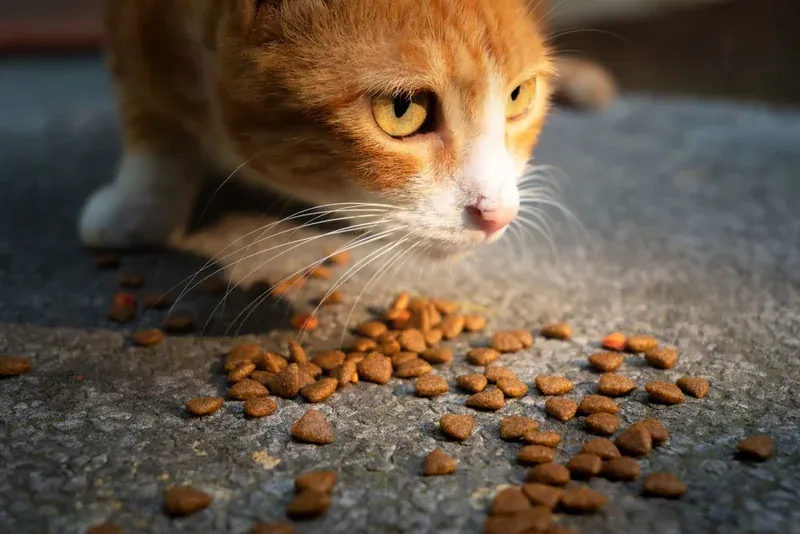
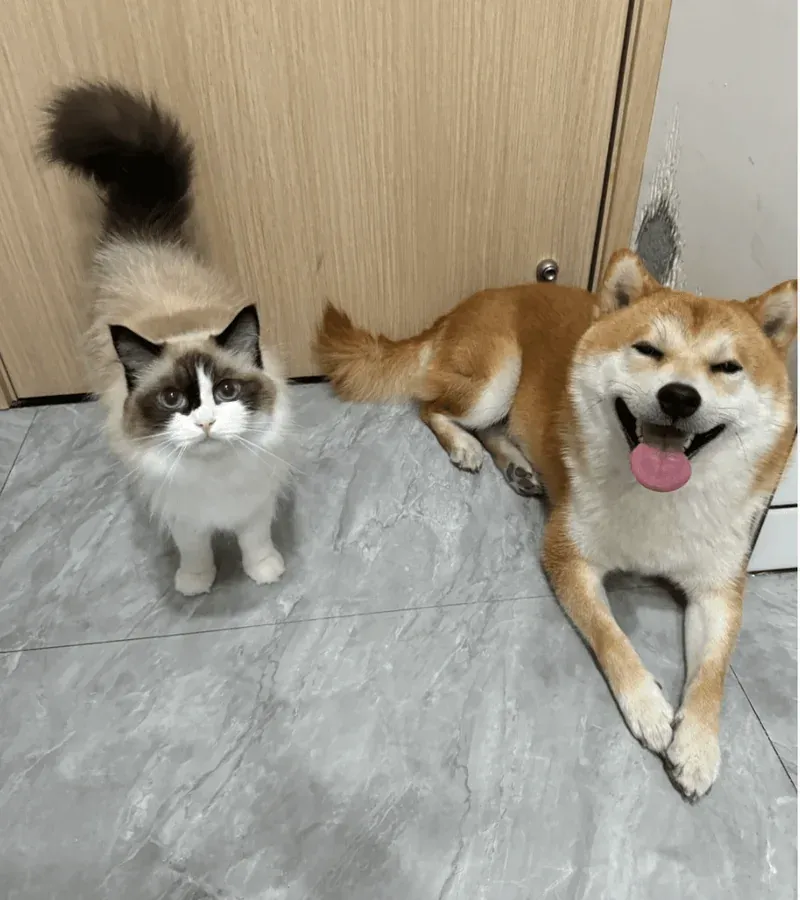
In a home with multiple pets, it’s common to witness the amusing antics of a cat sampling the dog’s meal and vice versa. While an occasional nibble isn’t catastrophic, turning it into a routine can be harmful.
Here’s why it’s crucial for your pets to stick to their designated diets.
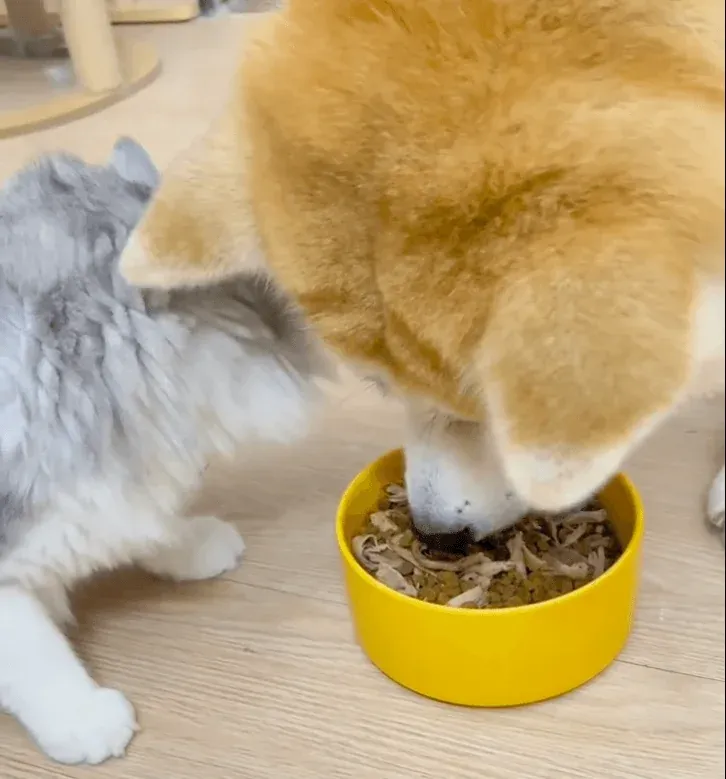
Understanding Their Dietary Needs
Dogs, as omnivores, have a more adaptable diet, whereas cats are strict carnivores, requiring specific nutrients found only in animal products. Dog food, designed for a varied diet, lacks the essentials that cats need.
Key Nutritional Differences
1. Taurine: Vital for Cats While dogs can produce taurine naturally, cats cannot and must consume it through their diet. Without it, cats risk blindness and severe heart conditions.
2. Arginine: Essential for Detox Cats need more L-Arginine than dogs to remove toxic ammonia. Insufficient levels can lead to ammonia poisoning, which is a serious health concern.
3. Vitamin A: The Conversion Challenge Dogs convert beta-carotene into Vitamin A, but cats need it pre-formed, as found in their food. Without it, they may experience stunted growth and poor vision.
4. B-Vitamins: High Demand Cats require significantly more B-Vitamins than dogs. A deficiency can lead to fatigue and loss of appetite.
5. Protein: Quantity Matters Cats need higher protein levels for energy and muscle maintenance, which are not adequately provided by dog food.
Consequences of Diet Swapping
- Cats on Dog Food: Gradual health decline due to missing nutrients, impacting organs, vision, and immunity.
- Dogs on Cat Food: Risk of obesity and stress on liver and kidneys from high protein and calorie content, especially in older or health-compromised dogs.
Final Thoughts
Though pets might be curious about each other’s meals, their health depends on eating what’s tailored for them. Ensure your cat eats cat food, and your dog sticks to dog food for their well-being.
Having trouble keeping them apart? Consider feeding them separately or using technology like microchip-activated feeders to ensure they each get the right nutrition!